
The Chaos, The Faith, and The Jungle: Java, Indonesia
You don’t come to Java to ease yourself in. You don’t get a warm-up. You land, the heat slaps you across the mouth, and the island immediately demands to know what you’re made of. It is an overwhelming, densely packed, vibrating stretch of land where hyper-modern chaos sits right on top of ancient spirit, and where eighty million motorbikes are all competing for the same square inch of asphalt.
Jakarta and Bandung: The Exhaust and The Energy
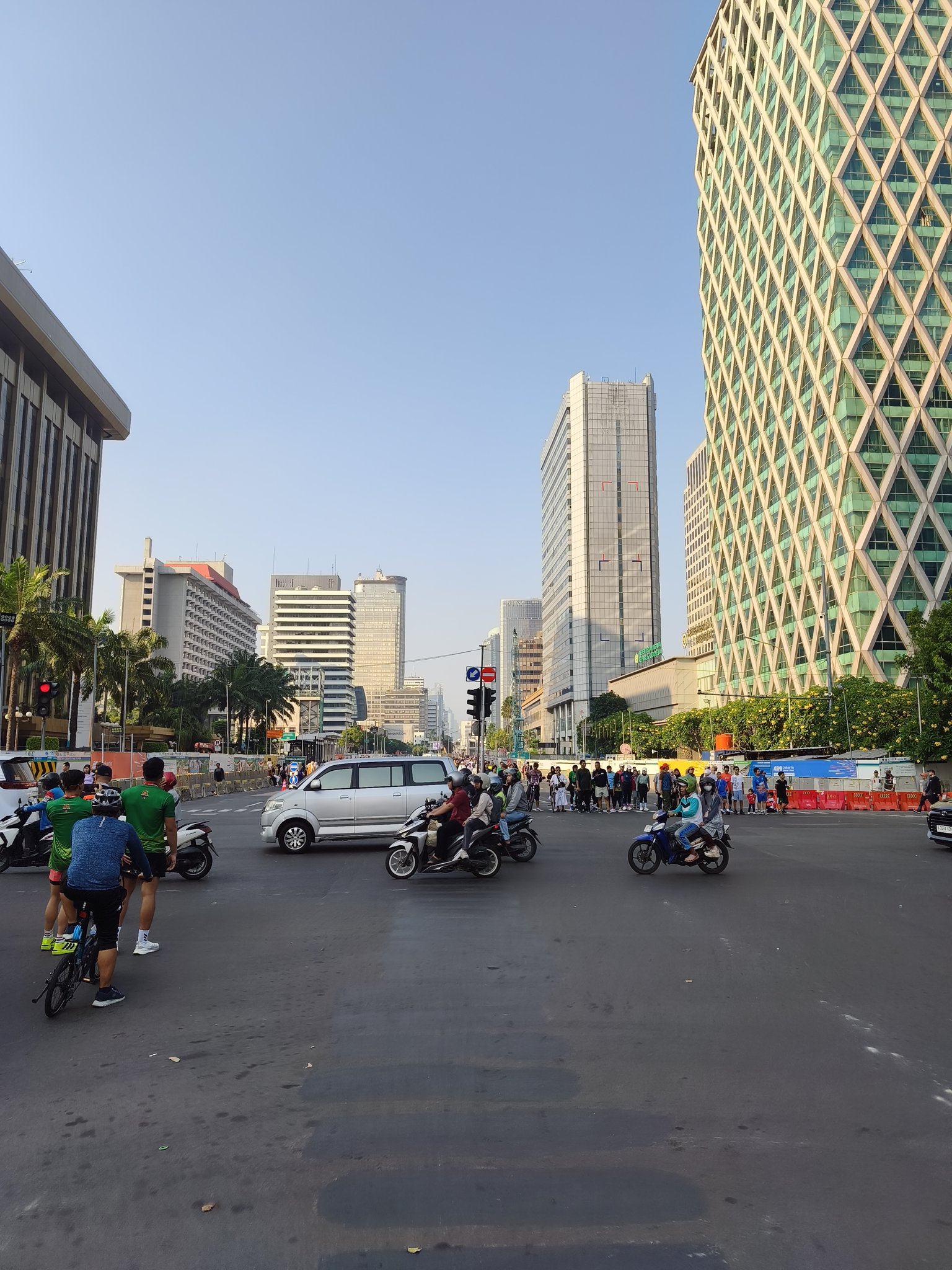
Jakarta greets you like a fever dream—enormous, concrete, and sprawling beyond what the human brain wants to comprehend. But on a Sunday morning, something strange happens. The city shuts down its main arteries to cars, and the concrete desert suddenly belongs to the people. Thousands on foot, on bicycles, moving past the massive National Monument under a heavy sky. It’s a brief, beautiful breath before the machine starts back up.
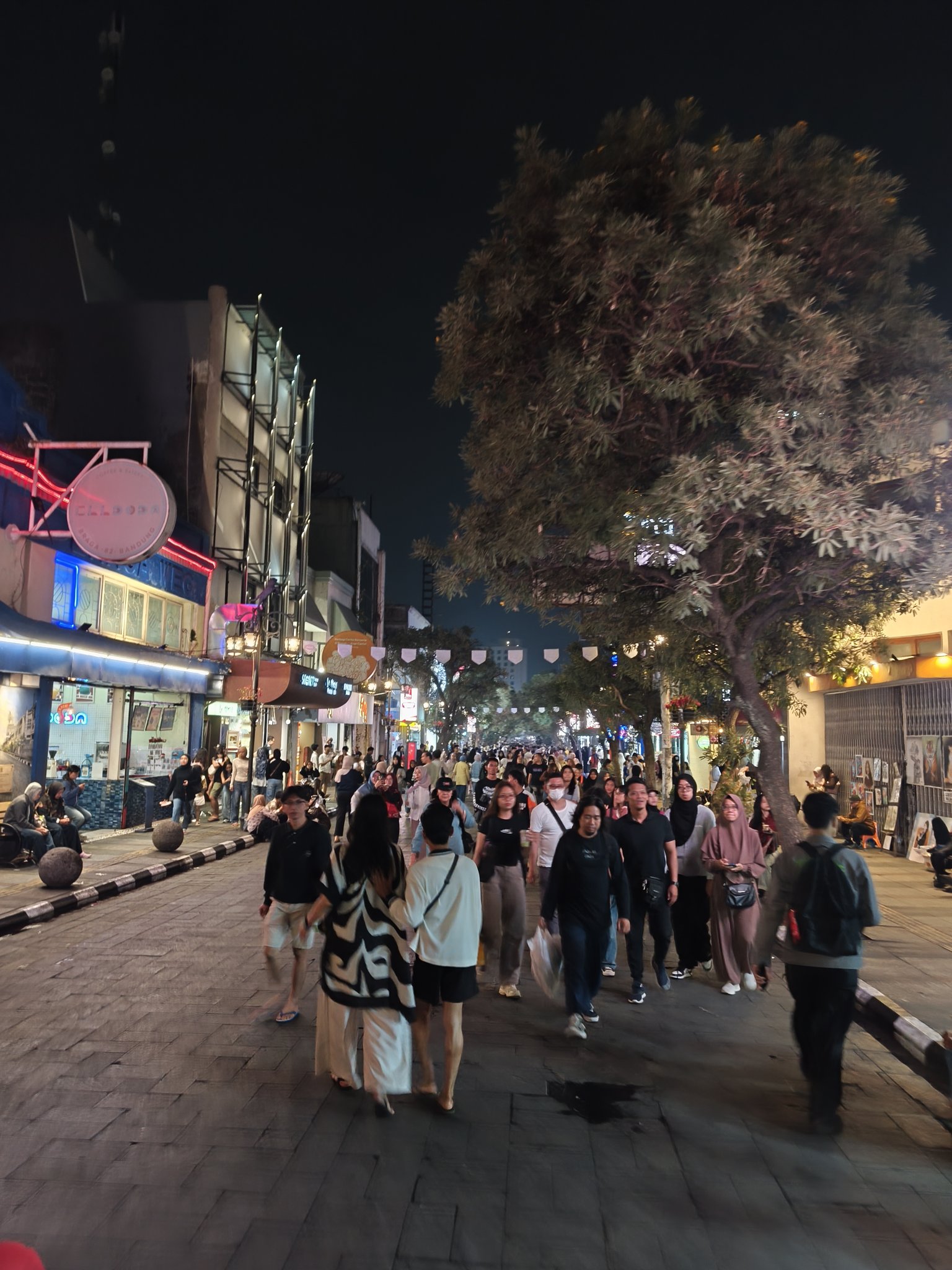
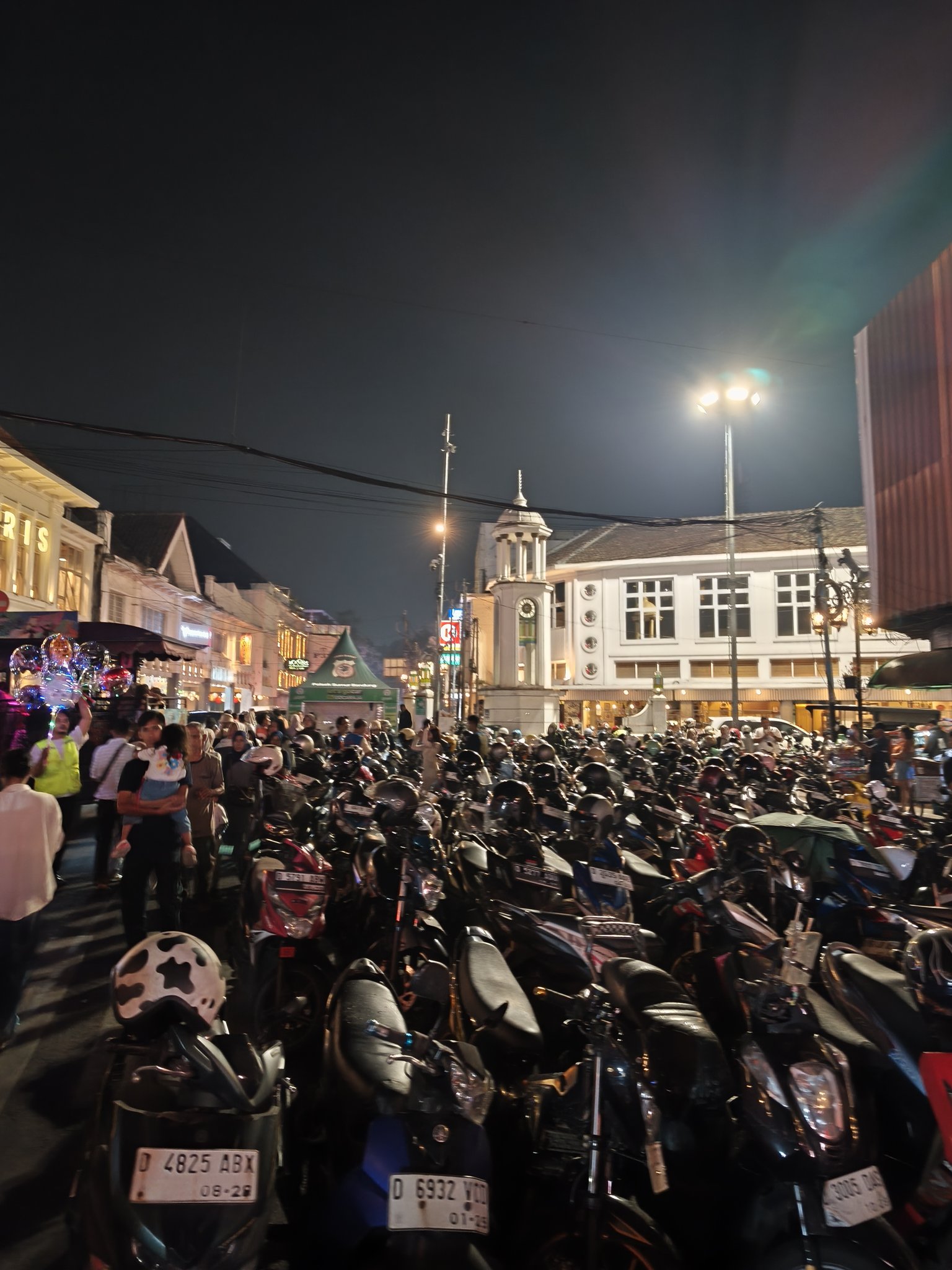
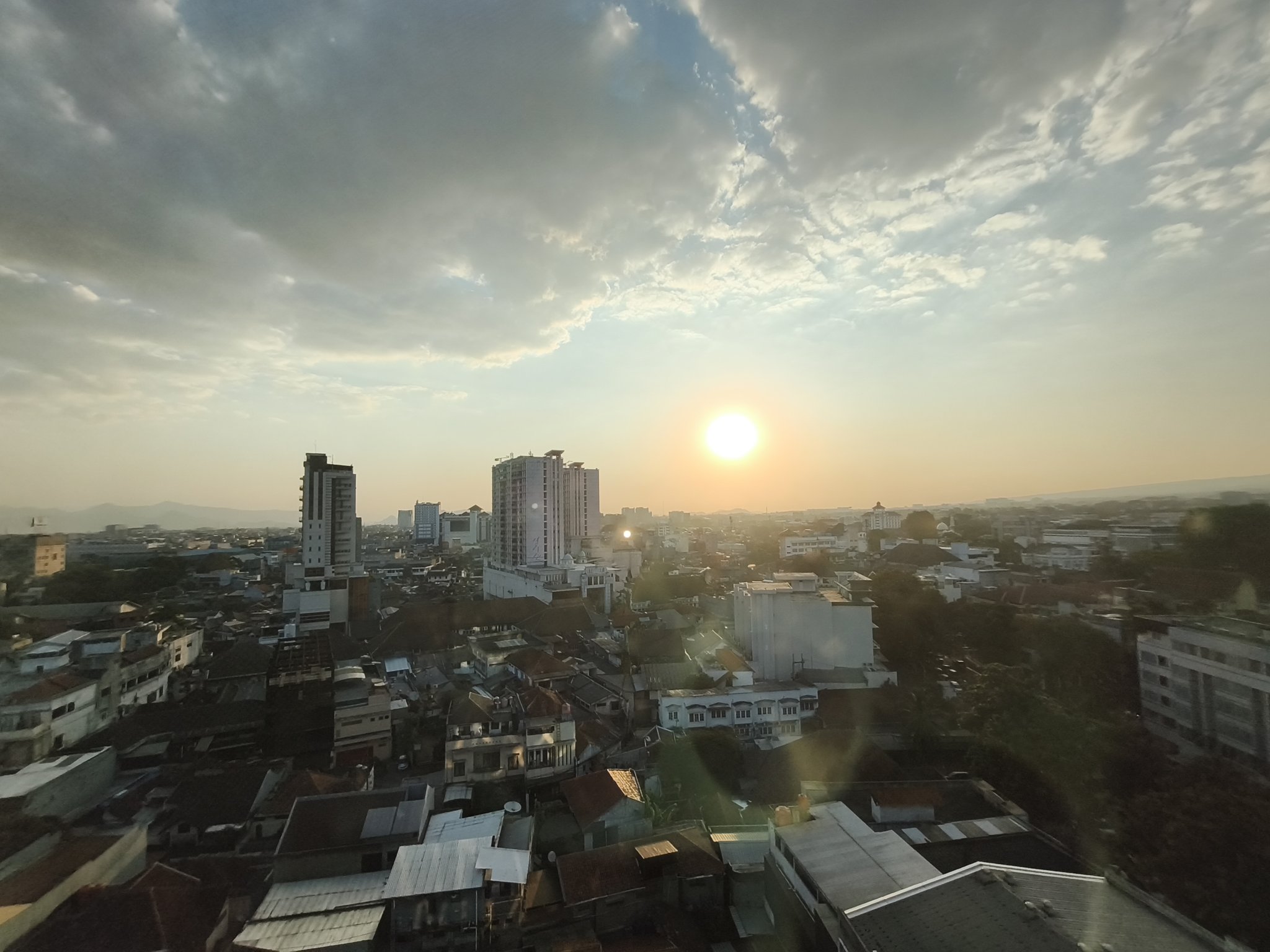
We headed toward Bandung, pushing through the industrial belt that rings the capital. It’s a grey, bruised-looking sky out there, thick with factory smoke and diesel fumes—the raw, unglamorous engine room of a developing giant. But then you hit Jalan Braga on a Sunday night, and the whole mood shifts into pure electricity. It’s narrow, chaotic, and alive. Young people hanging on street corners, artists selling paintings under streetlights, street food sizzling in old woks, and everyone taking selfies. Being a Westerner here means you stick out like a sore thumb—you get those wide, curious eyes, those hesitant smiles, the quiet realization that you’re off the standard tourist highway.
By day, Bandung is a loud, crowded market of cheap clothes, endless traffic, and a sea of scooters weaving through spaces that shouldn't exist. And right through the roar of the engines, the call to prayer echoes out from the minarets, cutting through the noise, reminding everyone where they are. We ate the staple, the real soul of the street: nasi goreng. Wok-charred fried rice, tender chicken, and those light, crispy shrimp crackers on the side. Simple, perfect, no bullshit food that keeps the island running.
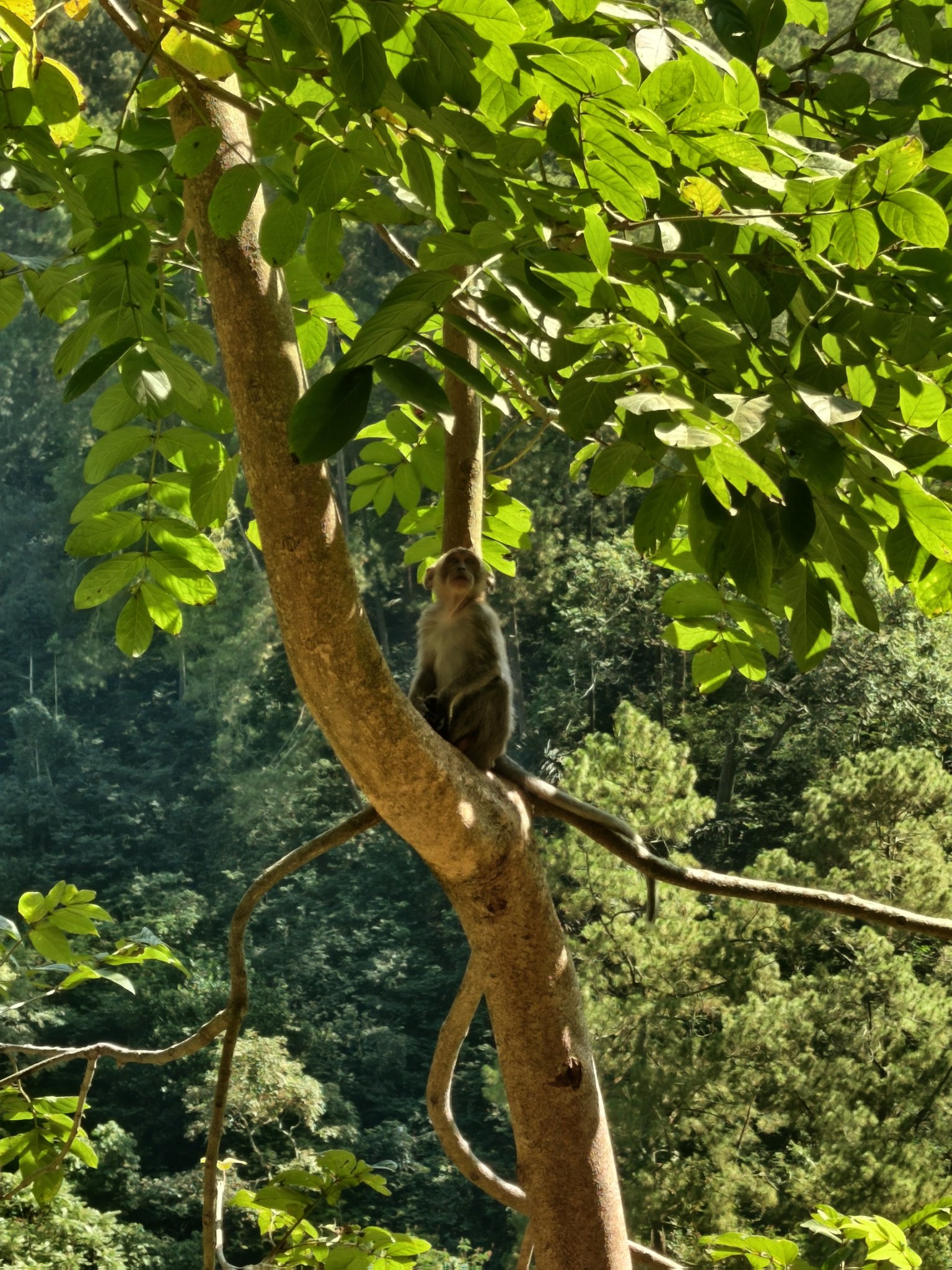
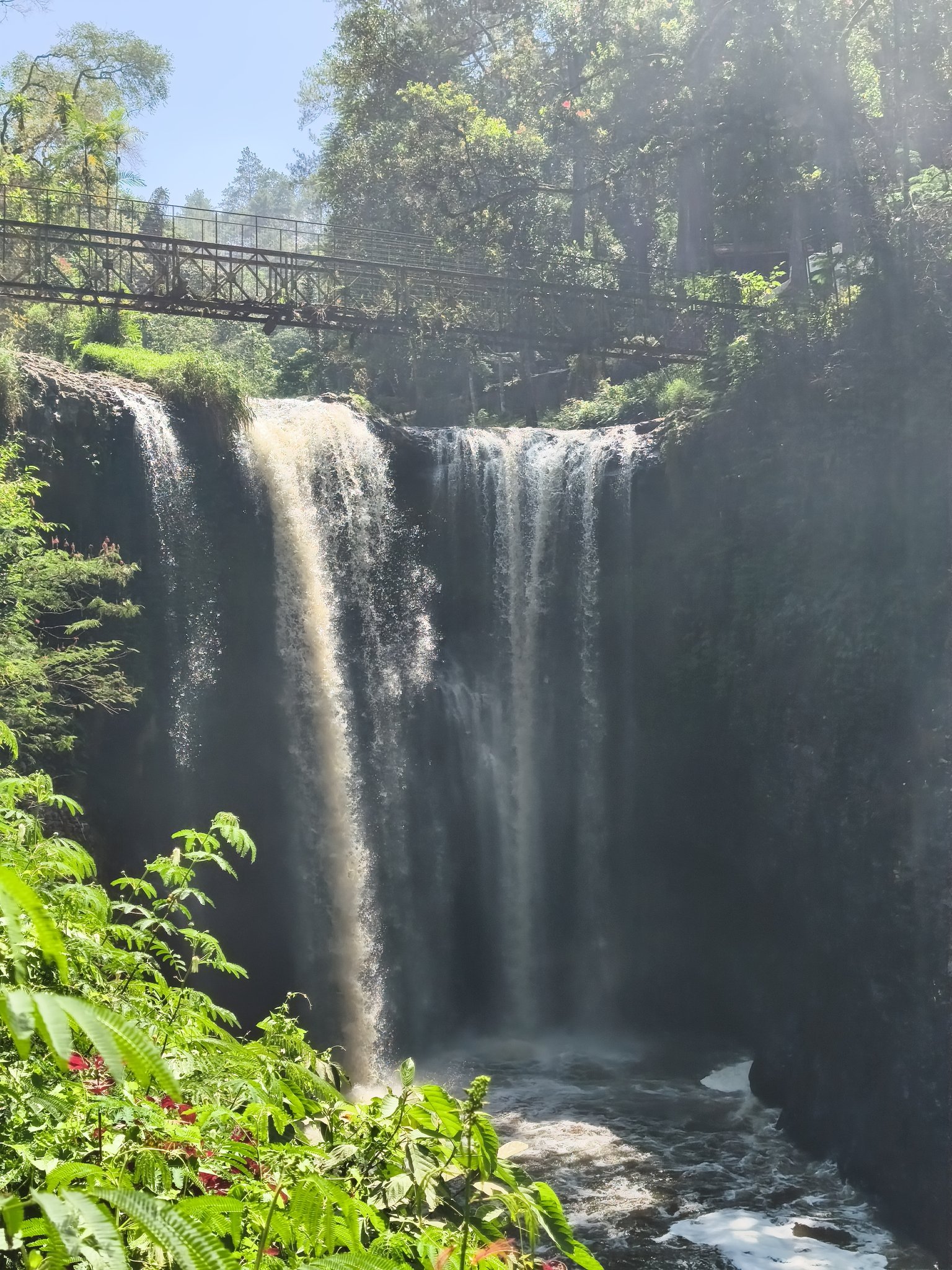
Just when the noise starts to grate on your nerves, you escape into Dago Pakar. Suddenly, the concrete drops away, and you’re surrounded by towering trees, wild monkeys eyeing you from the canopy, and deer moving quietly through the shade. It’s the constant Javanese paradox: total urban madness, and right next door, raw nature. And through it all, a warmth from the locals that feels genuine, gentle, and utterly disarming.
The Rails to the Ancient Gods
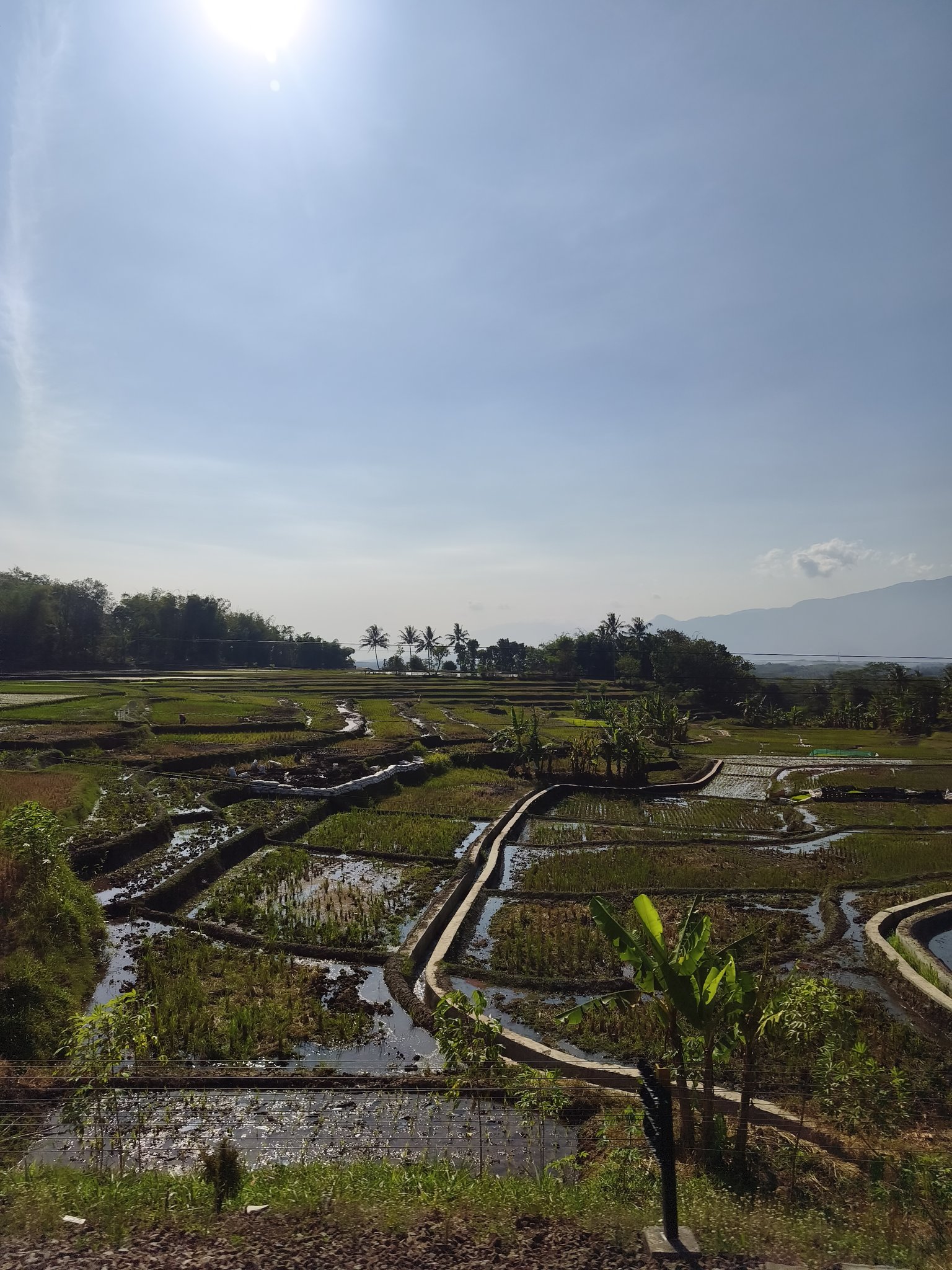
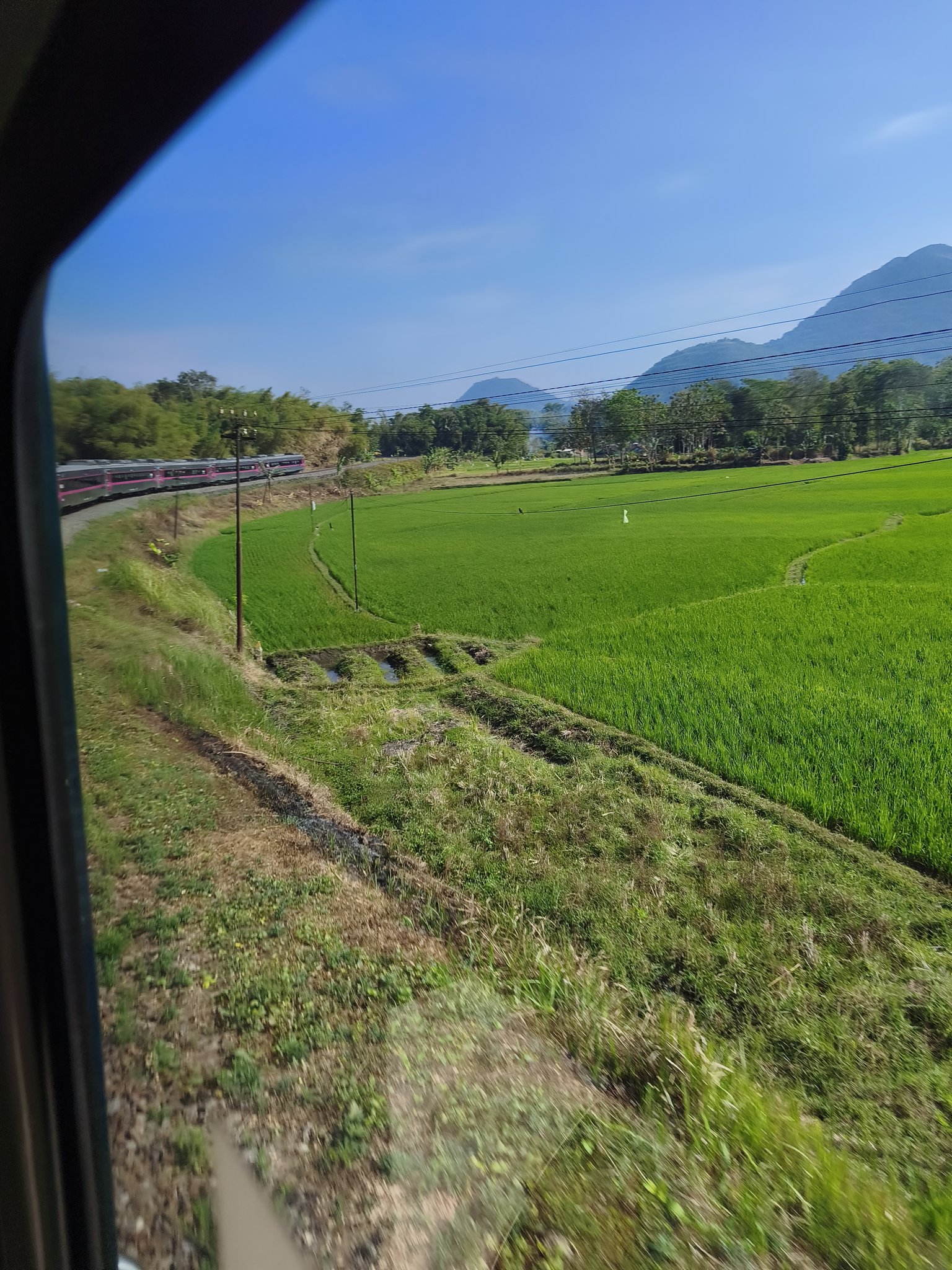
If you want to see the real spine of Java, you take the train. We boarded the line to Yogyakarta, watching the industrial clutter slowly give way to endless, brilliant green ocean steps of rice paddies, framed by distant, sleeping volcanoes. The train cuts right through the heart of the landscape, smooth and steady while the countryside flashes by like a continuous oil painting.
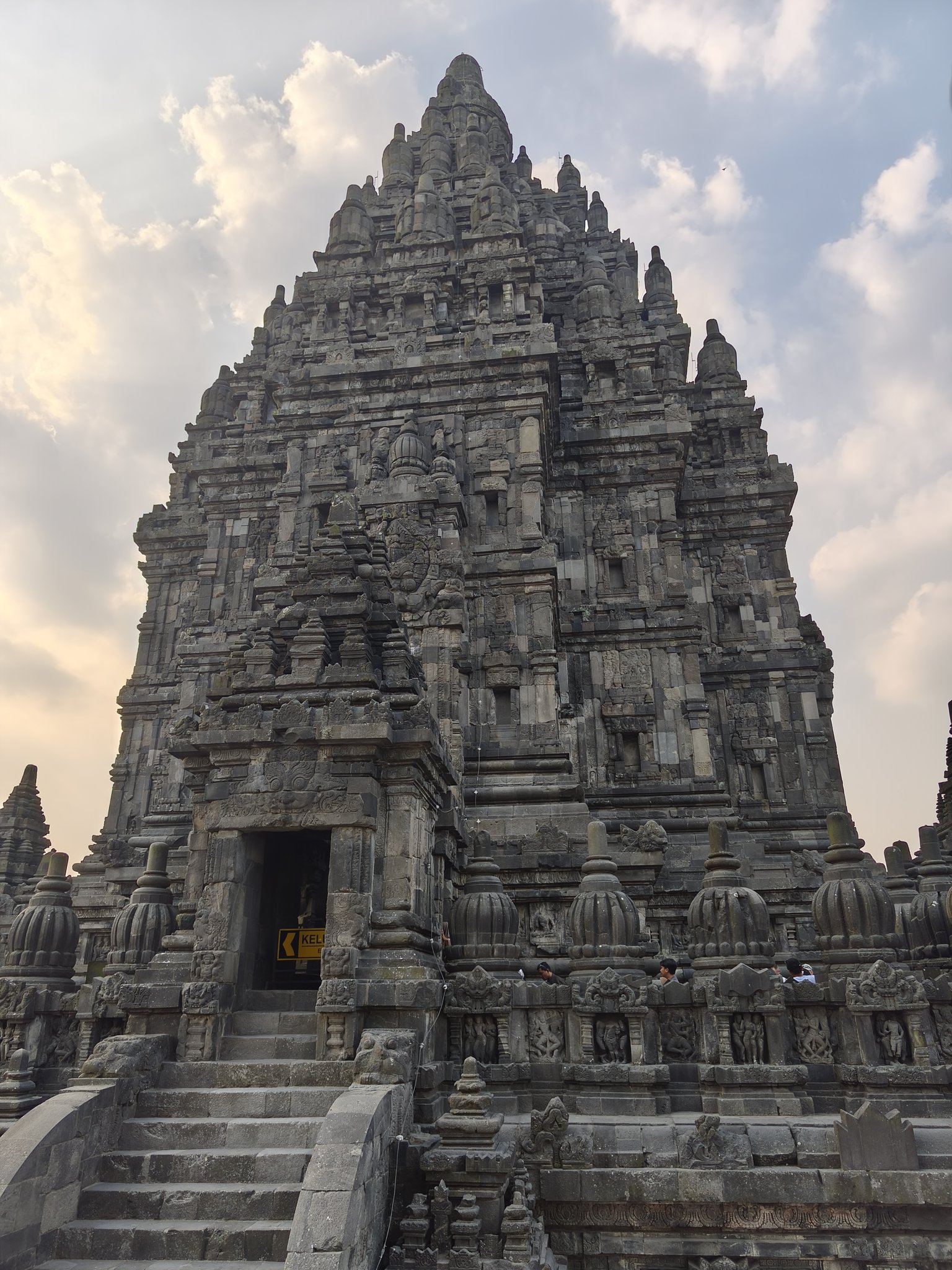
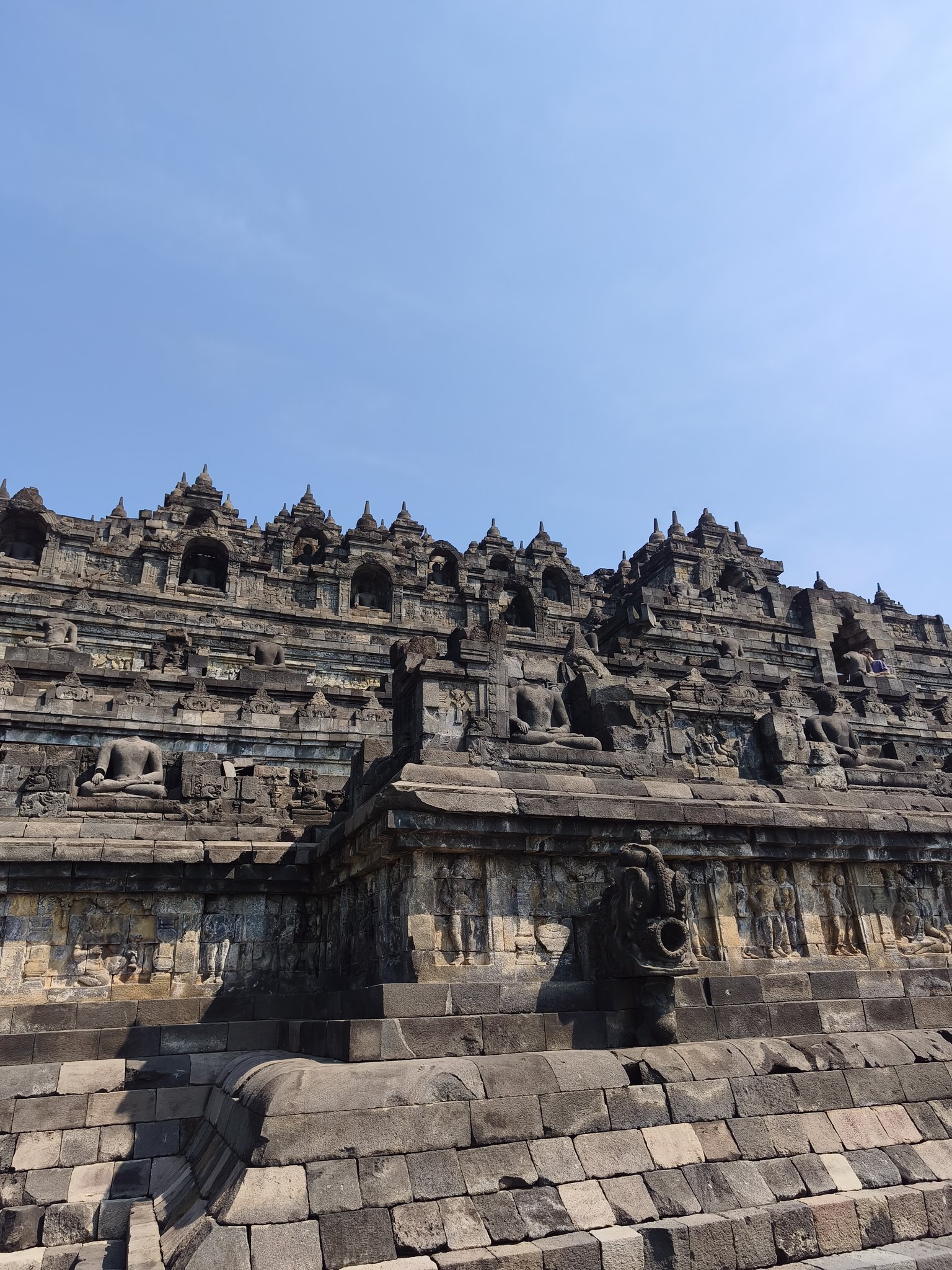
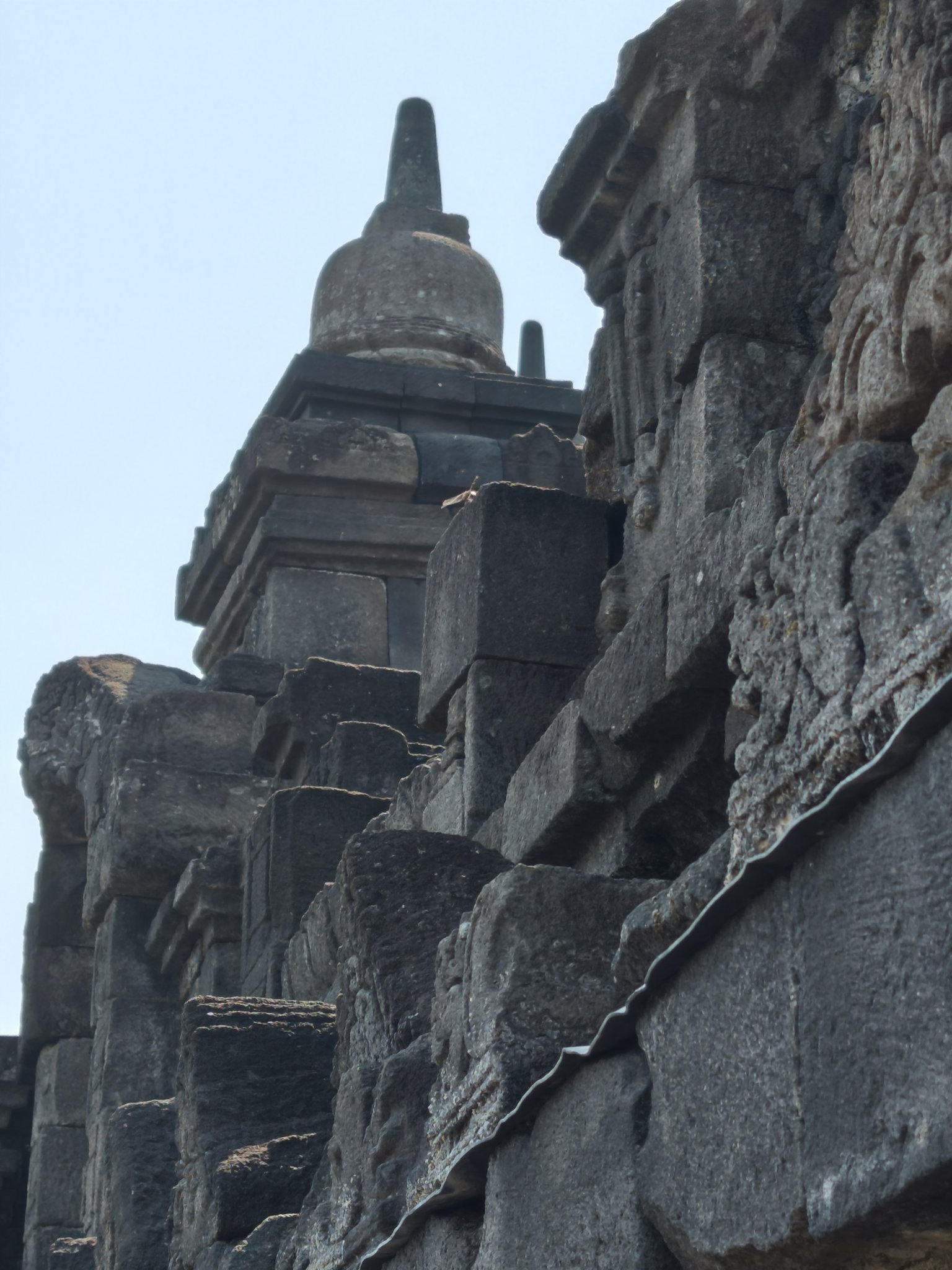
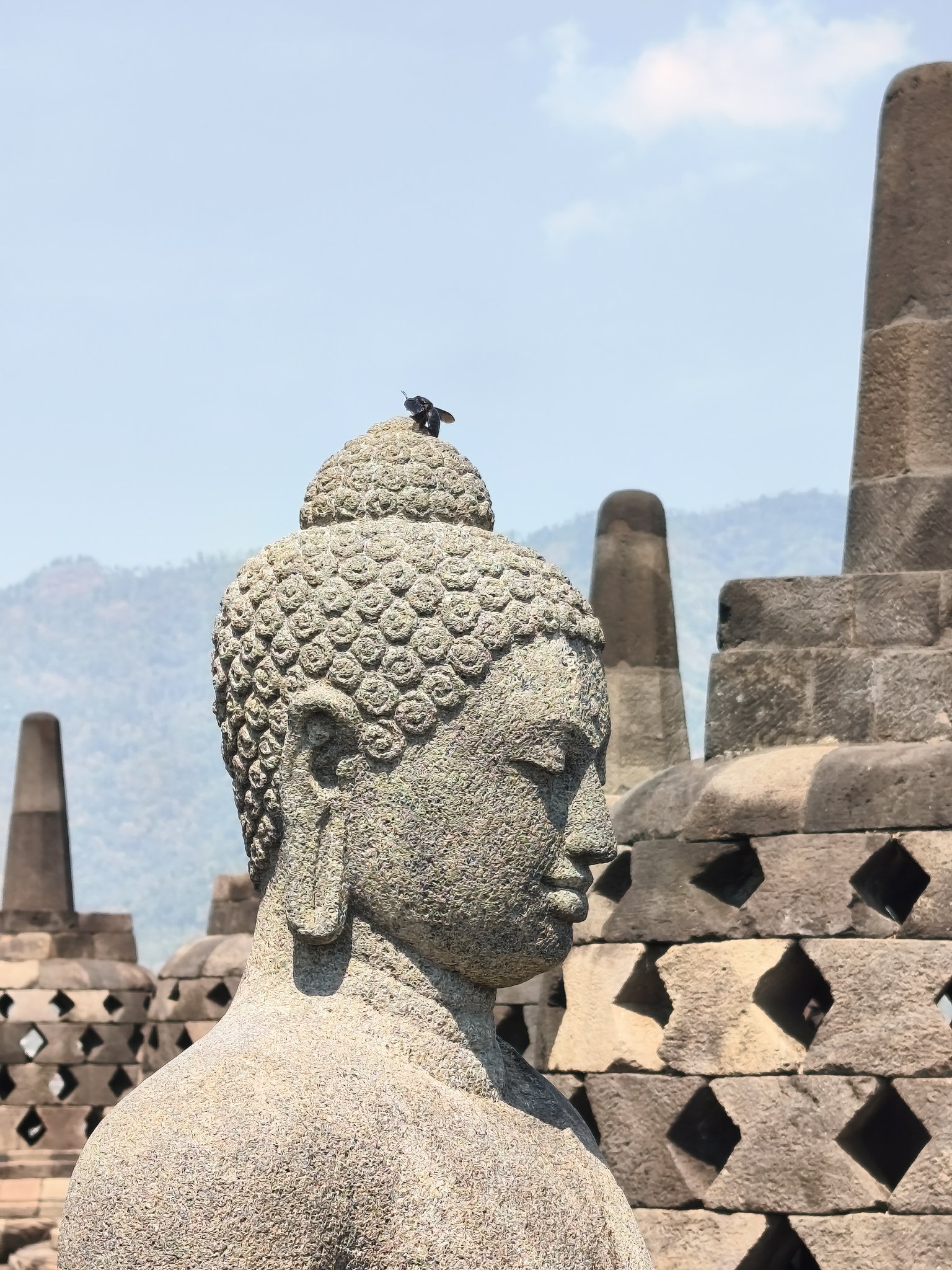
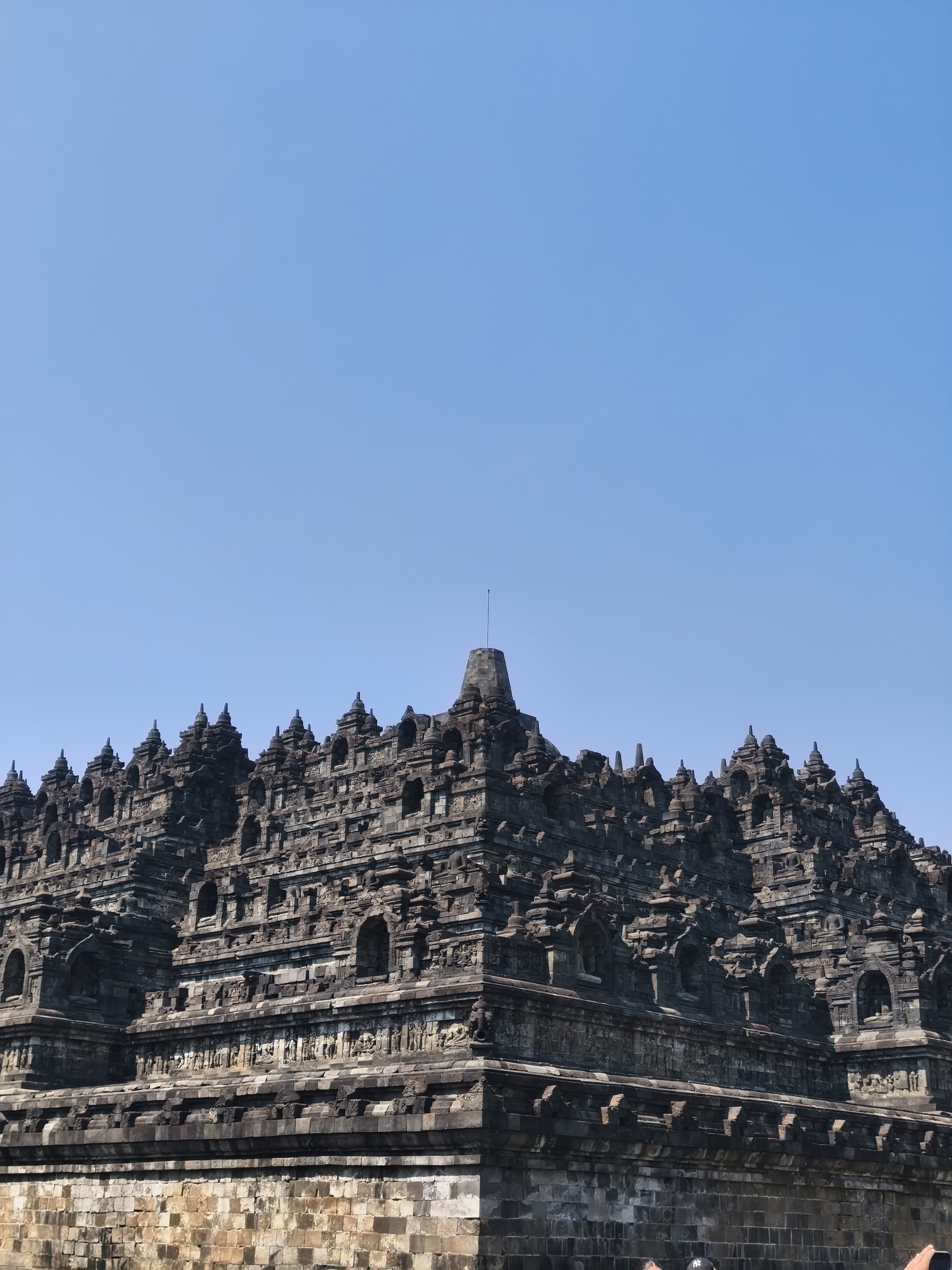
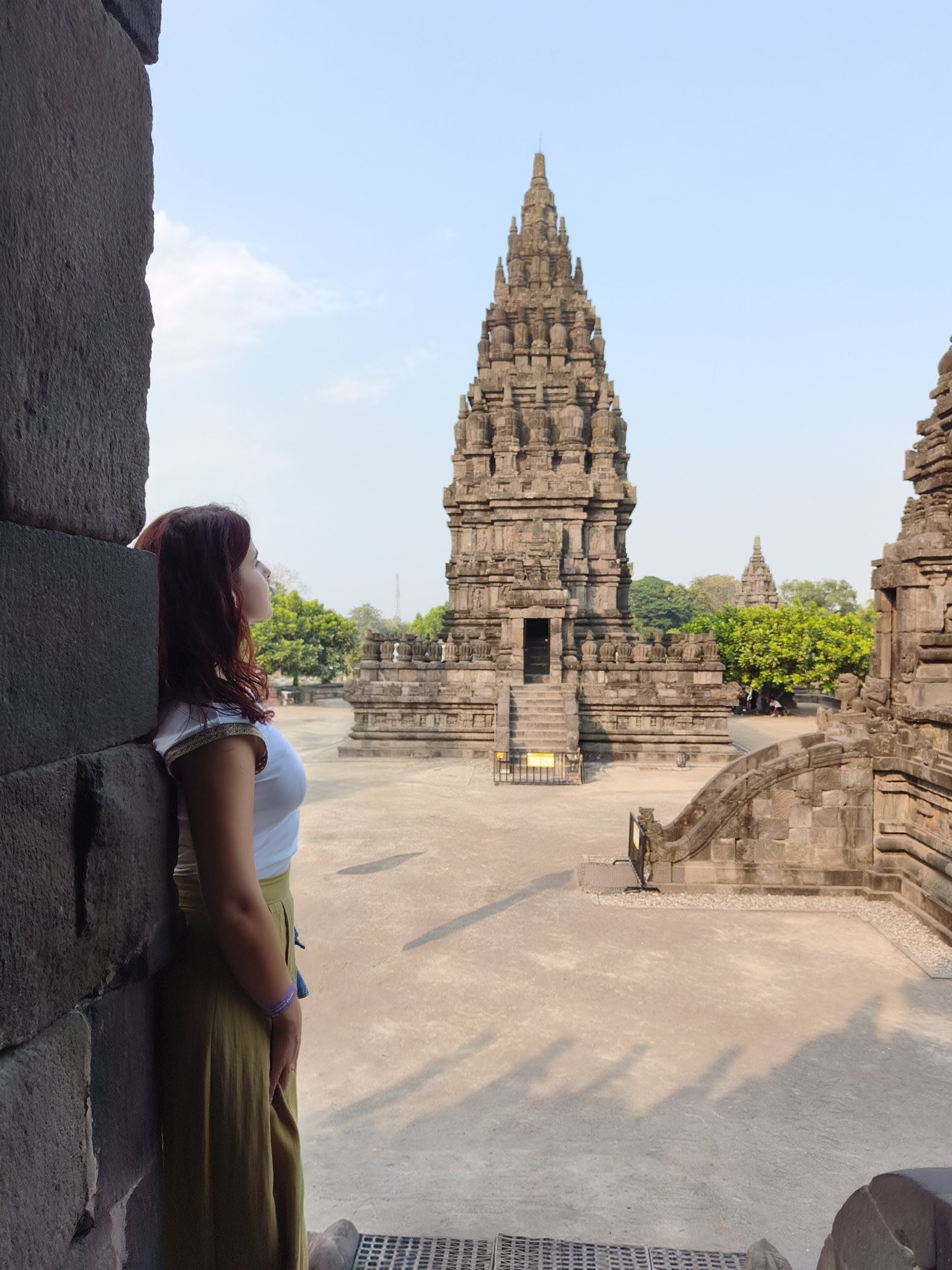
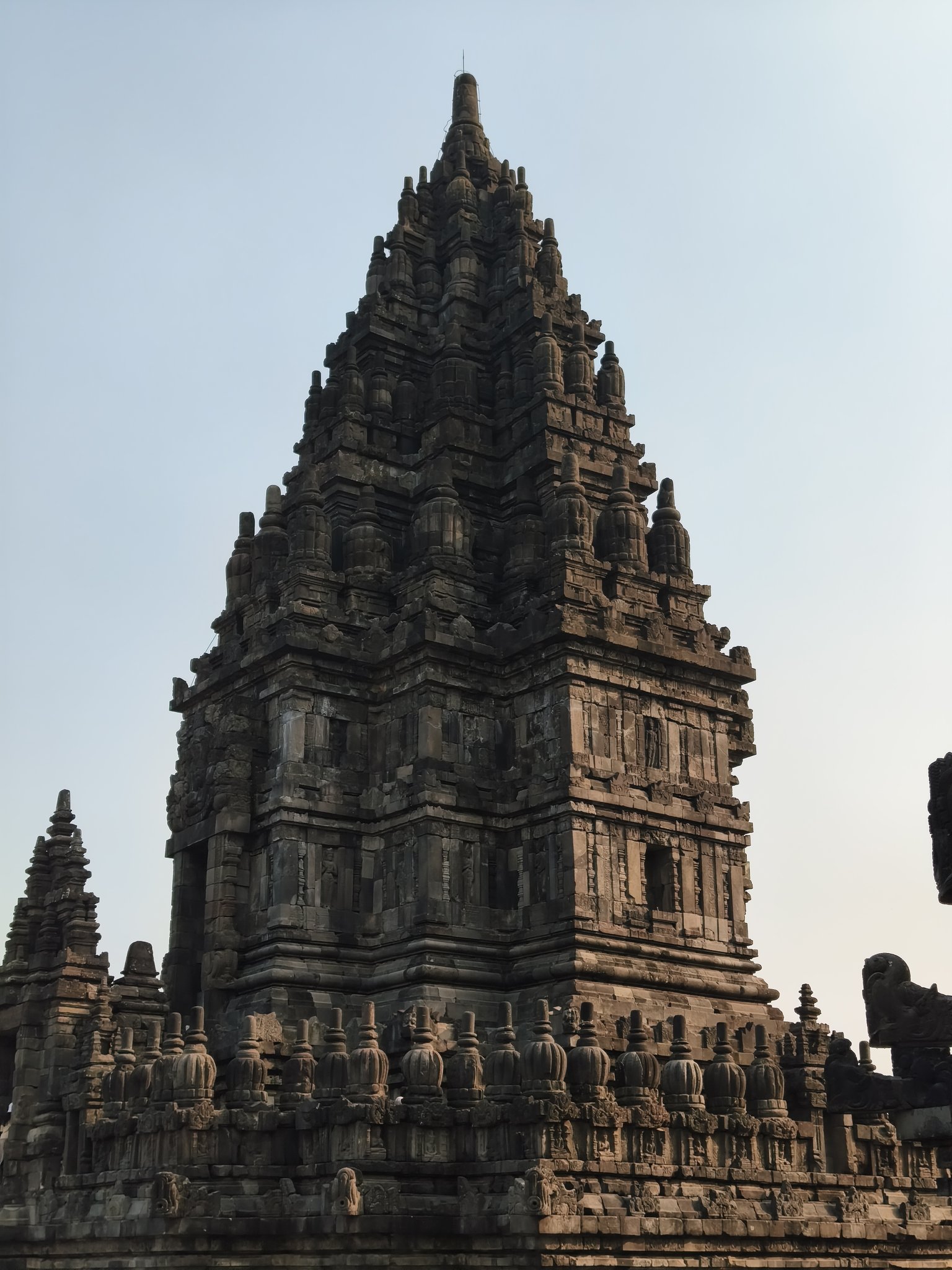
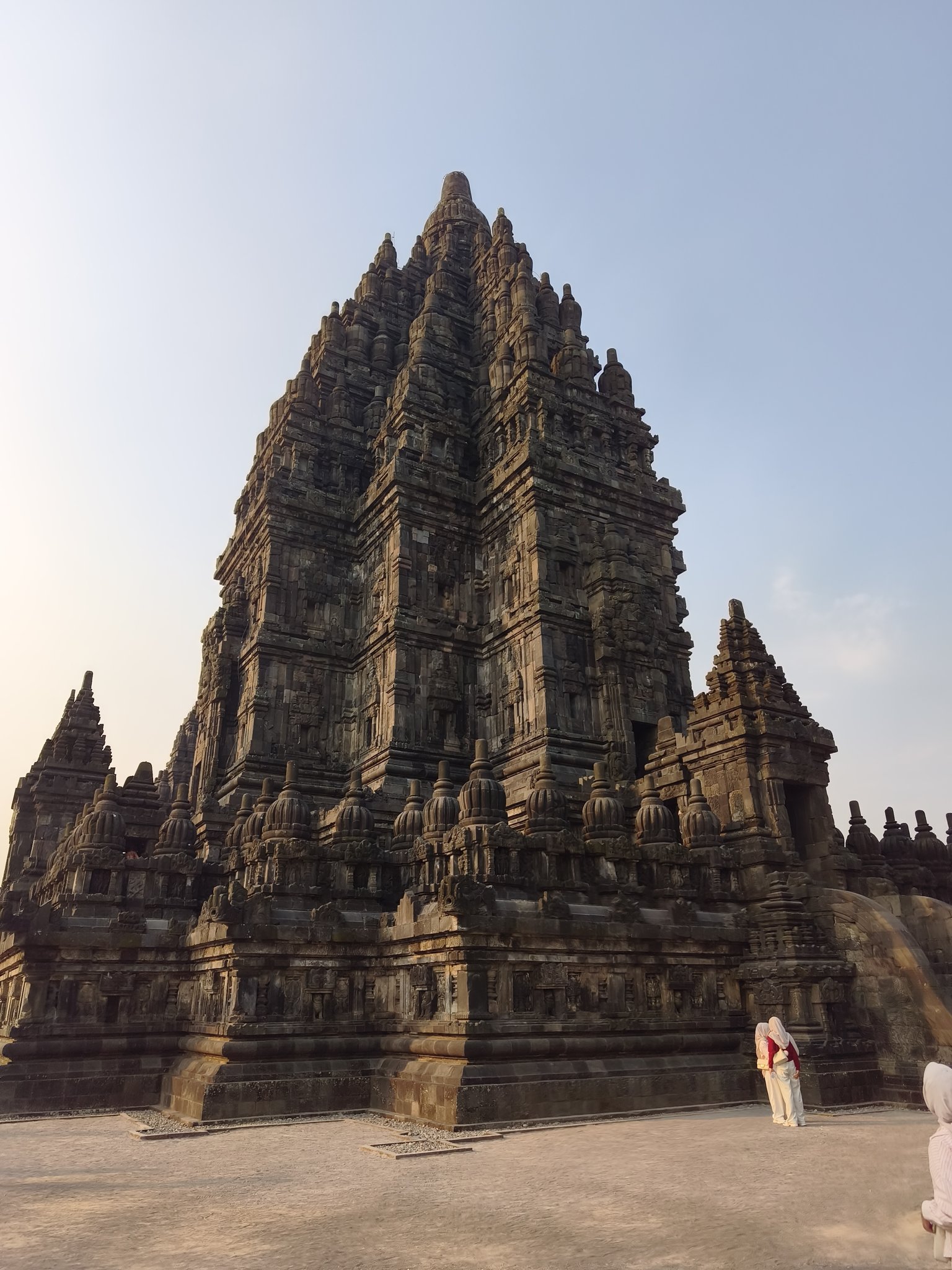
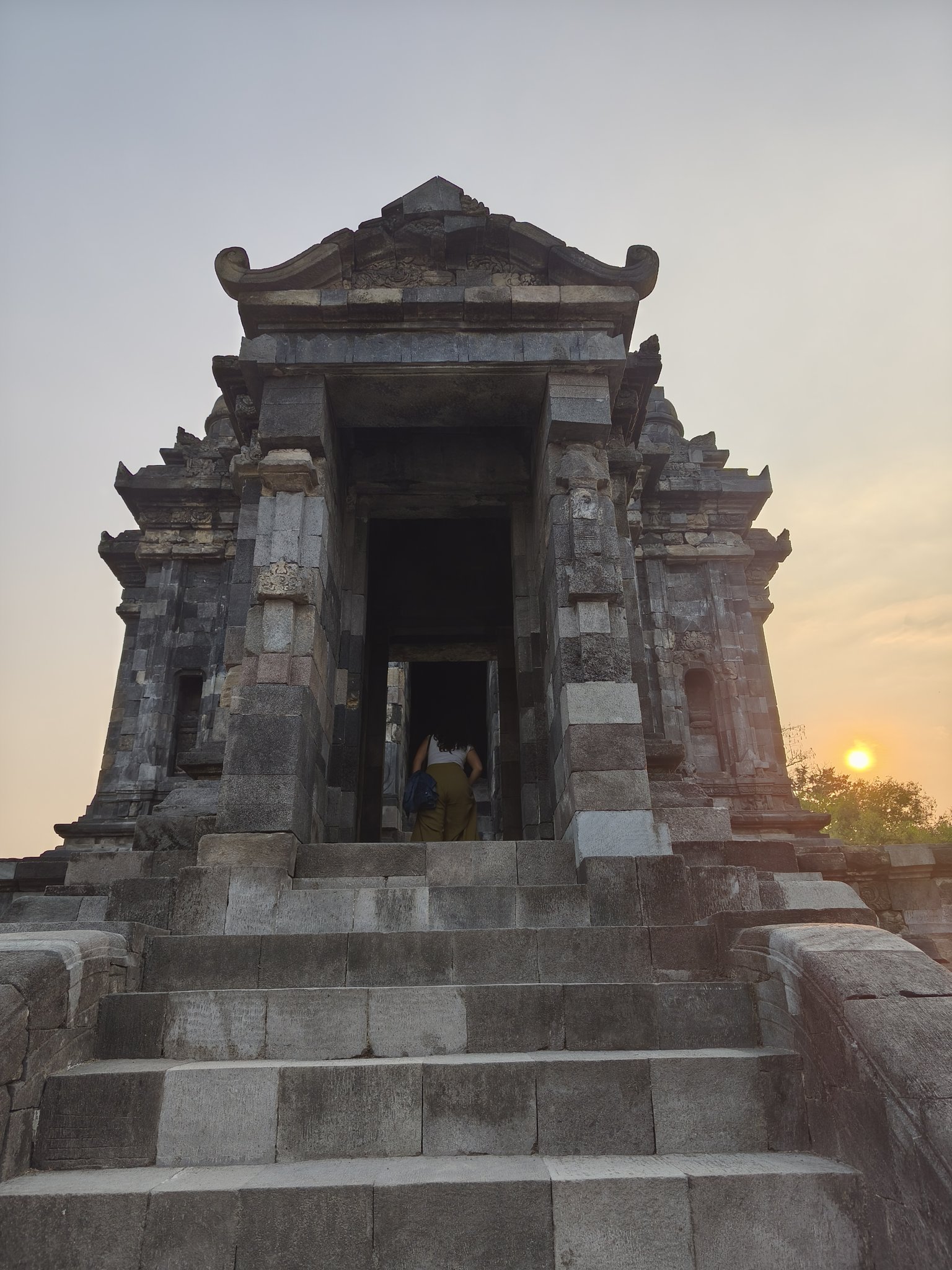
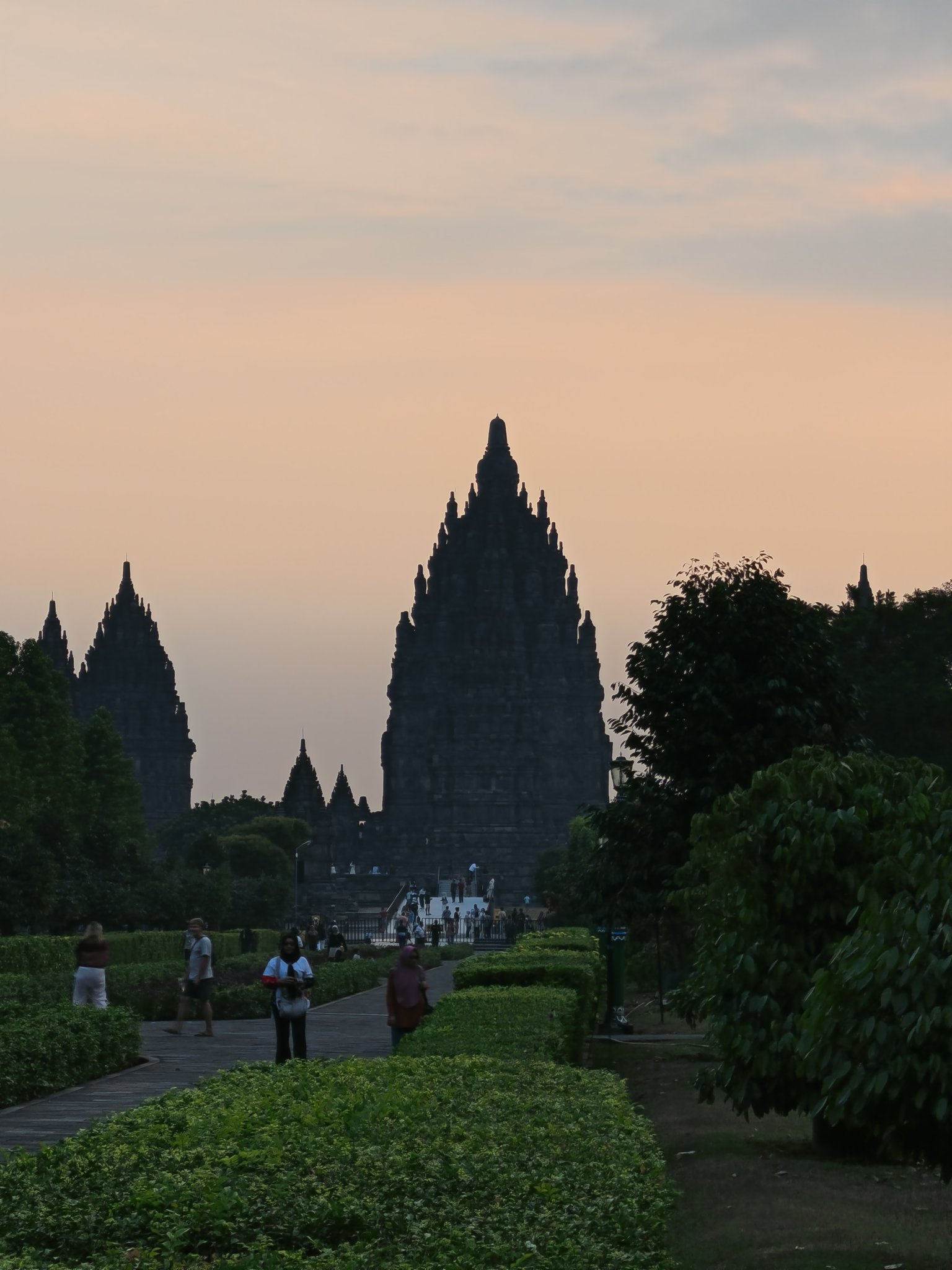
Then come the monuments. Borobudur sits in the morning mist like a massive, dark stone mountain of faith—a Buddhist labyrinth built out of volcanic rock, where stone Buddhas gaze out over the jungle in absolute silence. Just down the road, Prambanan rises into the sky like jagged, dark spears—a towering, fierce Hindu complex that feels older than time itself. Standing at the base of these stones, you realize this island was a complex, sophisticated crossroads of civilization long before the rest of the world even knew it existed.
Bogor: Into the Green Silence
From the ancient stones of the east, we took the rails back toward Jakarta and pushed straight into Bogor. That was the hard turn in the story. We traded the tracks and the city streets for three days deep in the jungle.
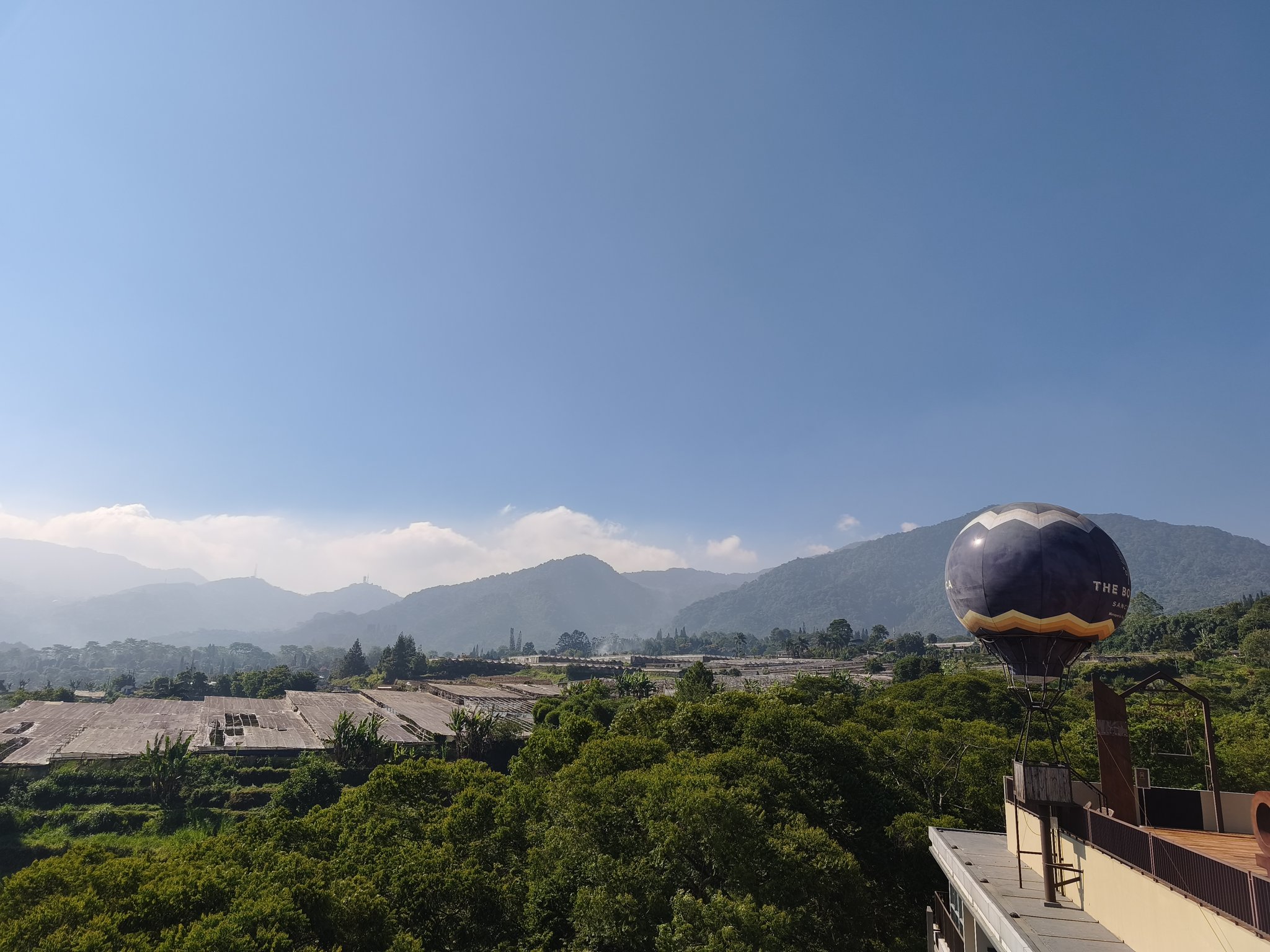
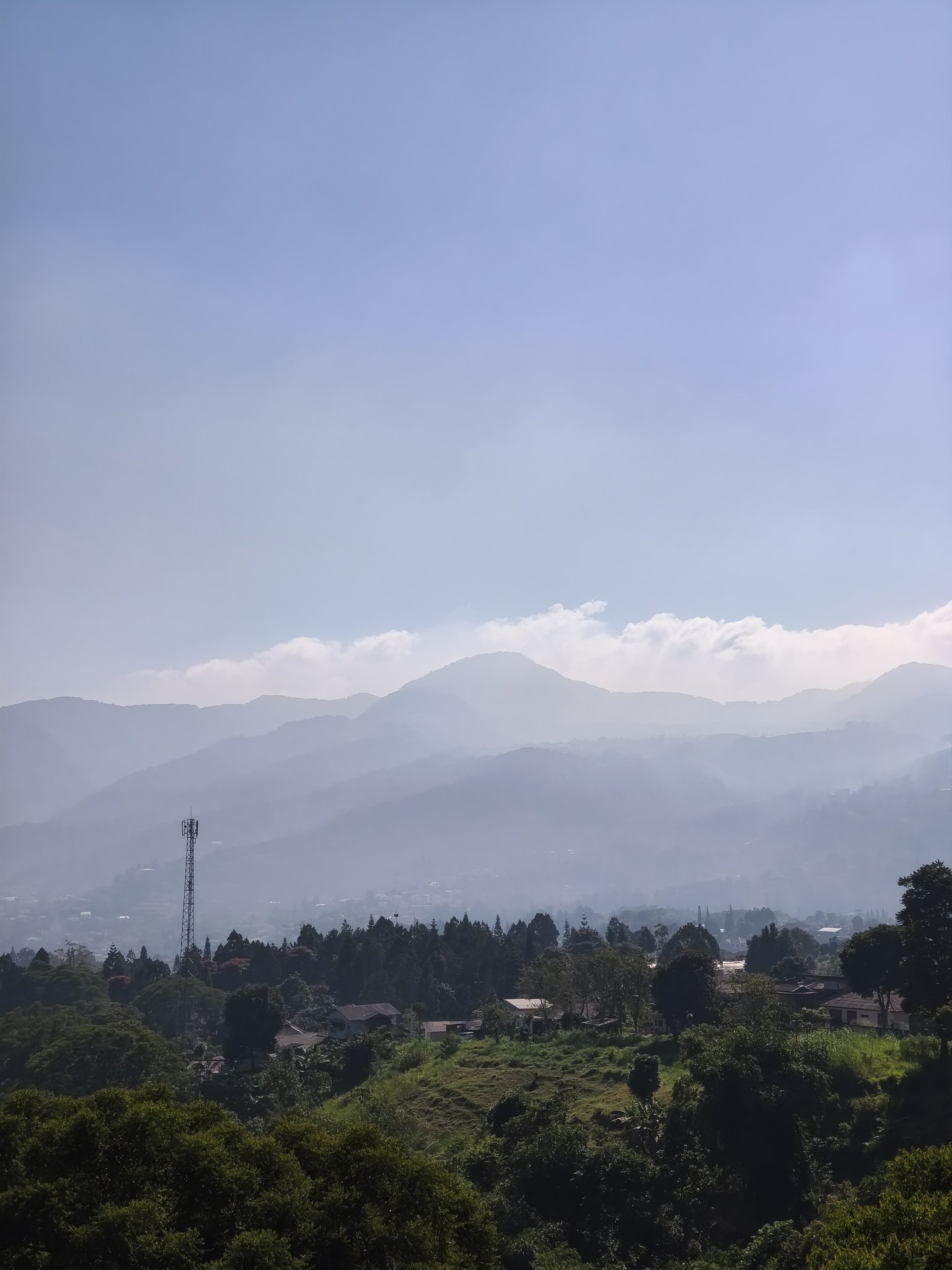
The city noise vanished, replaced by the relentless, heavy hum of the rainforest—insects, rainfall hitting massive leaves, and the thick, heavy smell of wet earth and wild growth. No notifications, no traffic, no calls to prayer. Just three days of pure, green silence and humidity, letting the jungle wash off the road dust and the diesel fumes. Java gives you everything it’s got—the exhaust, the ancient gods, the fried rice, and the wild green earth—and then it sends you home transformed.
 Finland
 Sri Lanka and Maldives
 Bordeaux