
Exploring Sri Lanka and Maldives
Colombo: A Beautiful, Crowded Chaos
Colombo doesn’t wait for you to get ready. The moment you step off the plane, the city hits you with everything at once. The air is thick and humid—smelling of diesel, drying fish, and the sweet scent of cinnamon. It is a city that never stops moving.
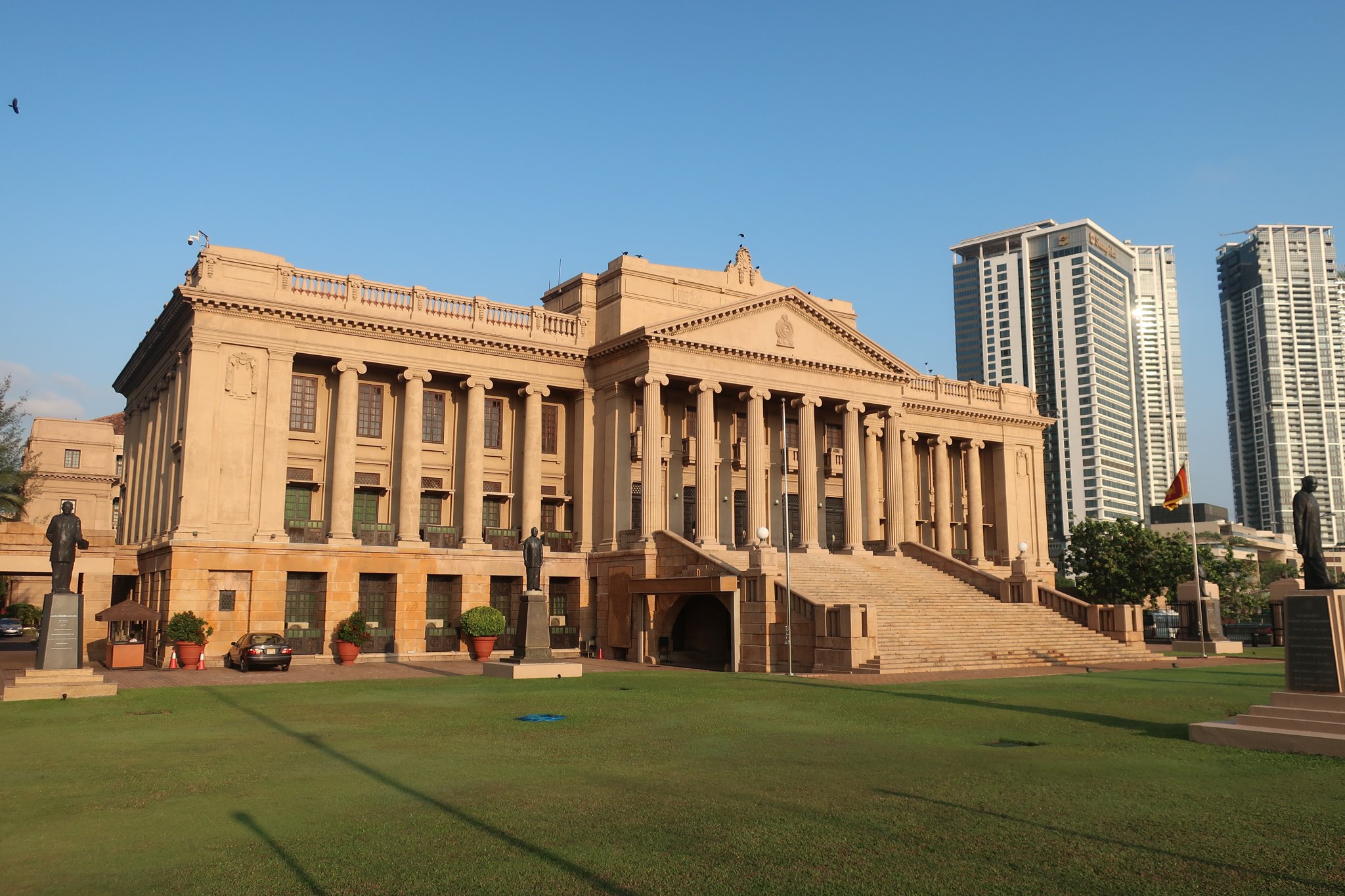
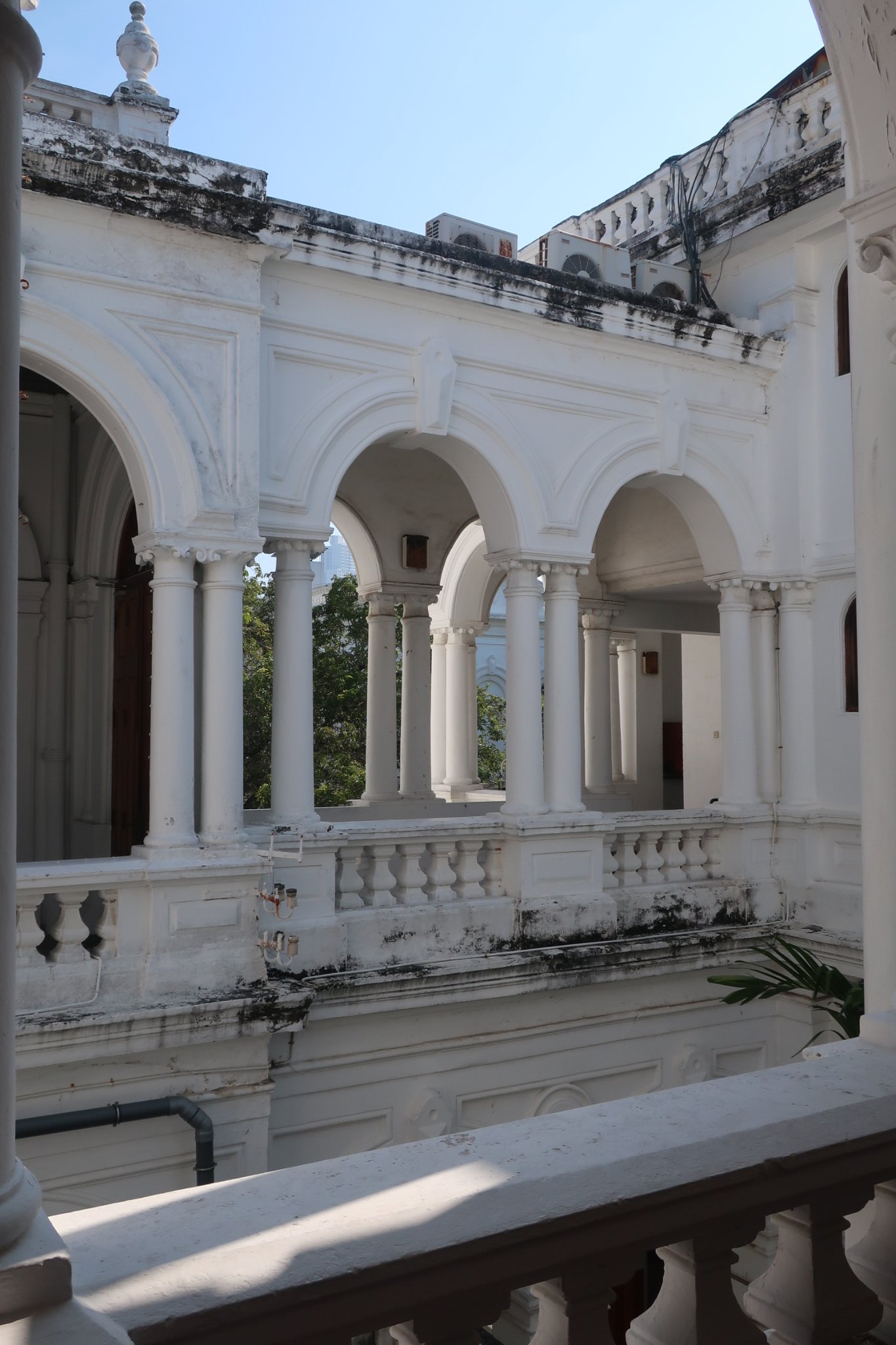
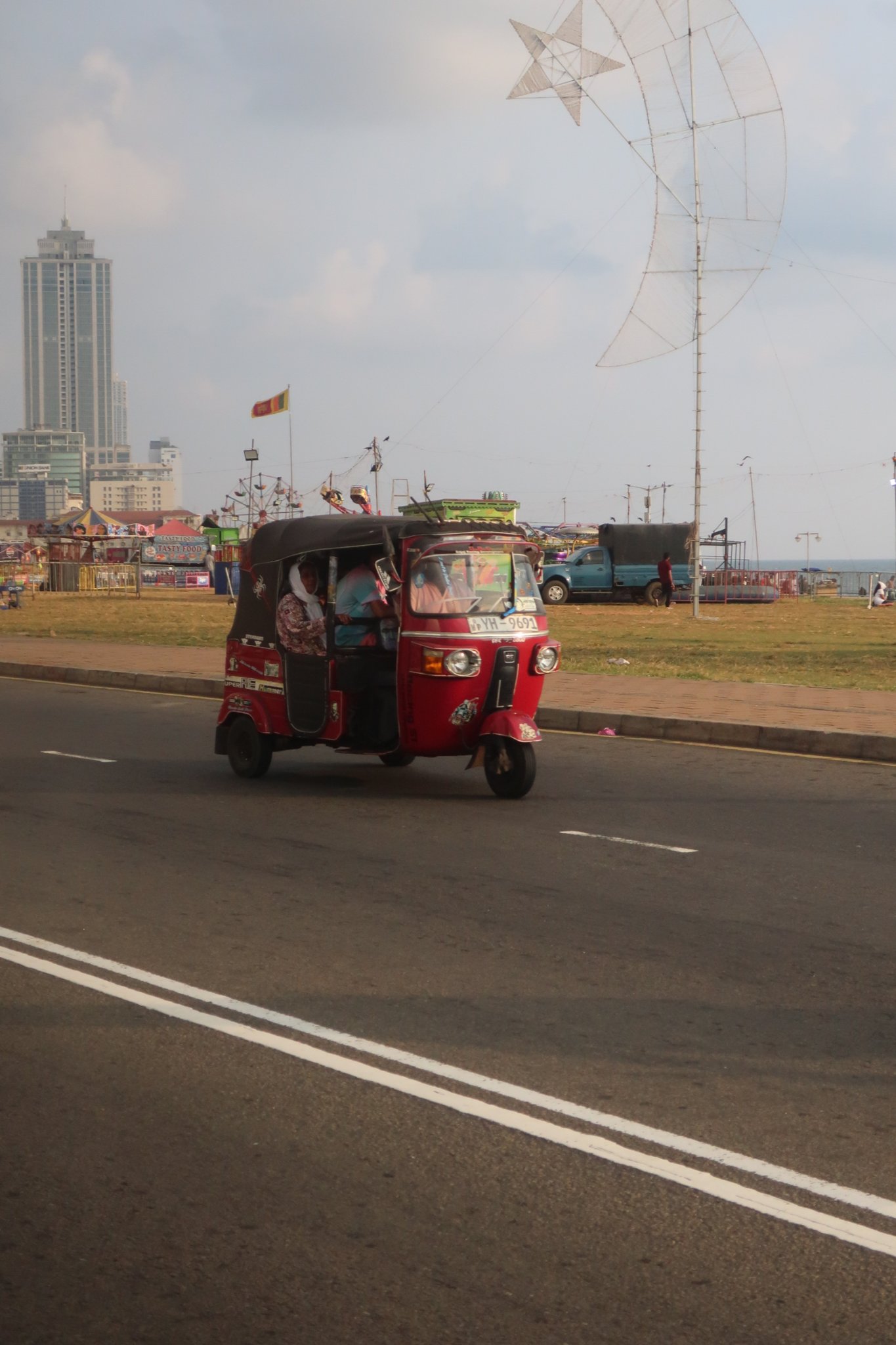
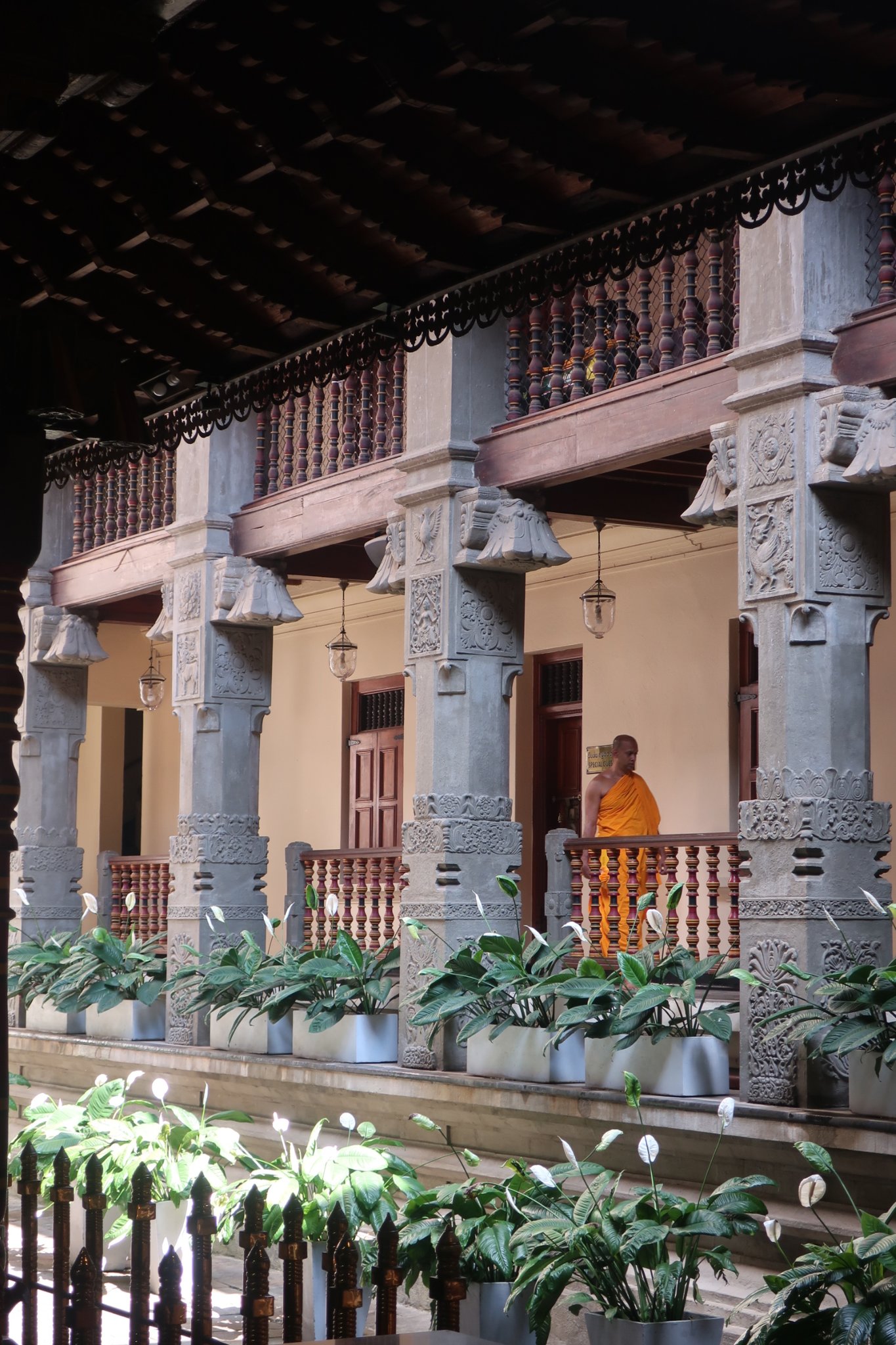
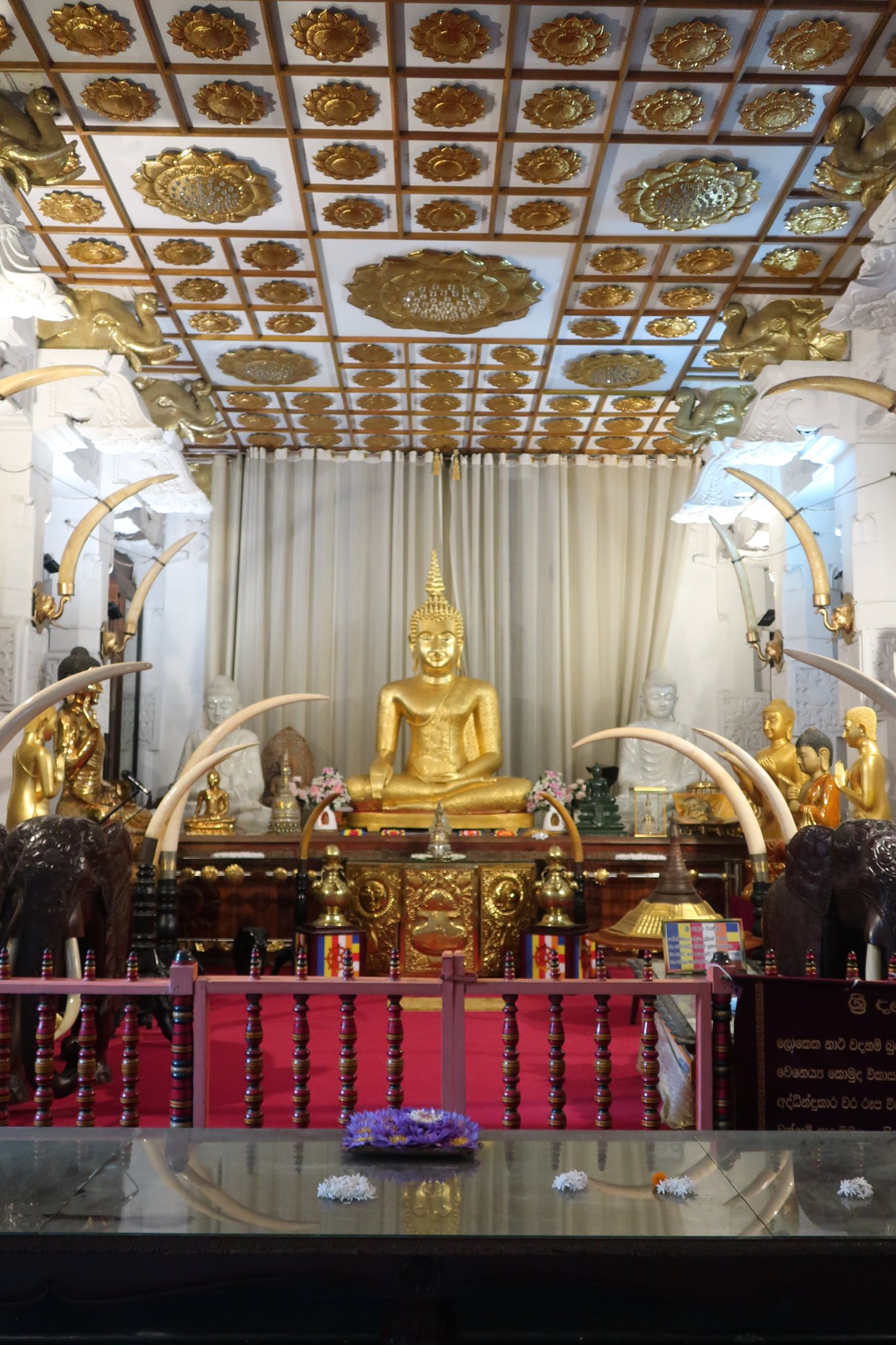
We dove into the markets, a maze of lights and people where the rules of the road are set by the constant, rhythmic honking of three-wheeled tuk-tuks. It is a crazy, beautiful dance of "almost-accidents." We spent the day exploring the spiritual side of the city—Buddhist temples where golden statues sit in heavy, silent peace, right next to the loud streets. By the time we reached the National Museum, the history of the place—Portuguese, Dutch, British—was visible in every old building. You spend your nights in the pool, washing off the dust of the capital, feeling like you’ve just survived a long day in a city that has been alive for centuries.
Into the Green Heart
We pushed inland. If you think you know "traffic," you haven’t seen a Sri Lankan bus driver passing another vehicle on a dangerous mountain curve. It is a terrifying game of nerves played for twelve hours a day.
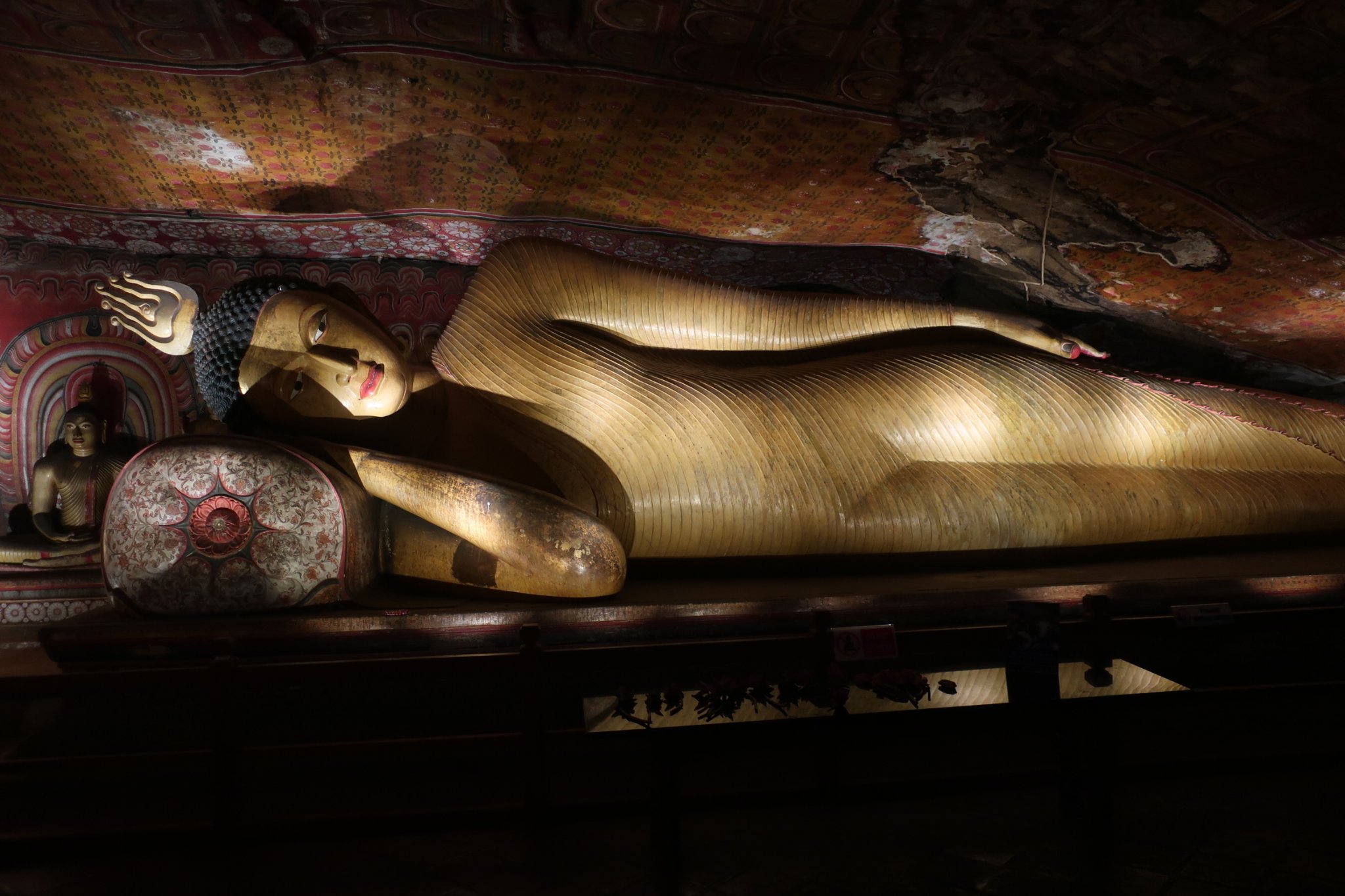
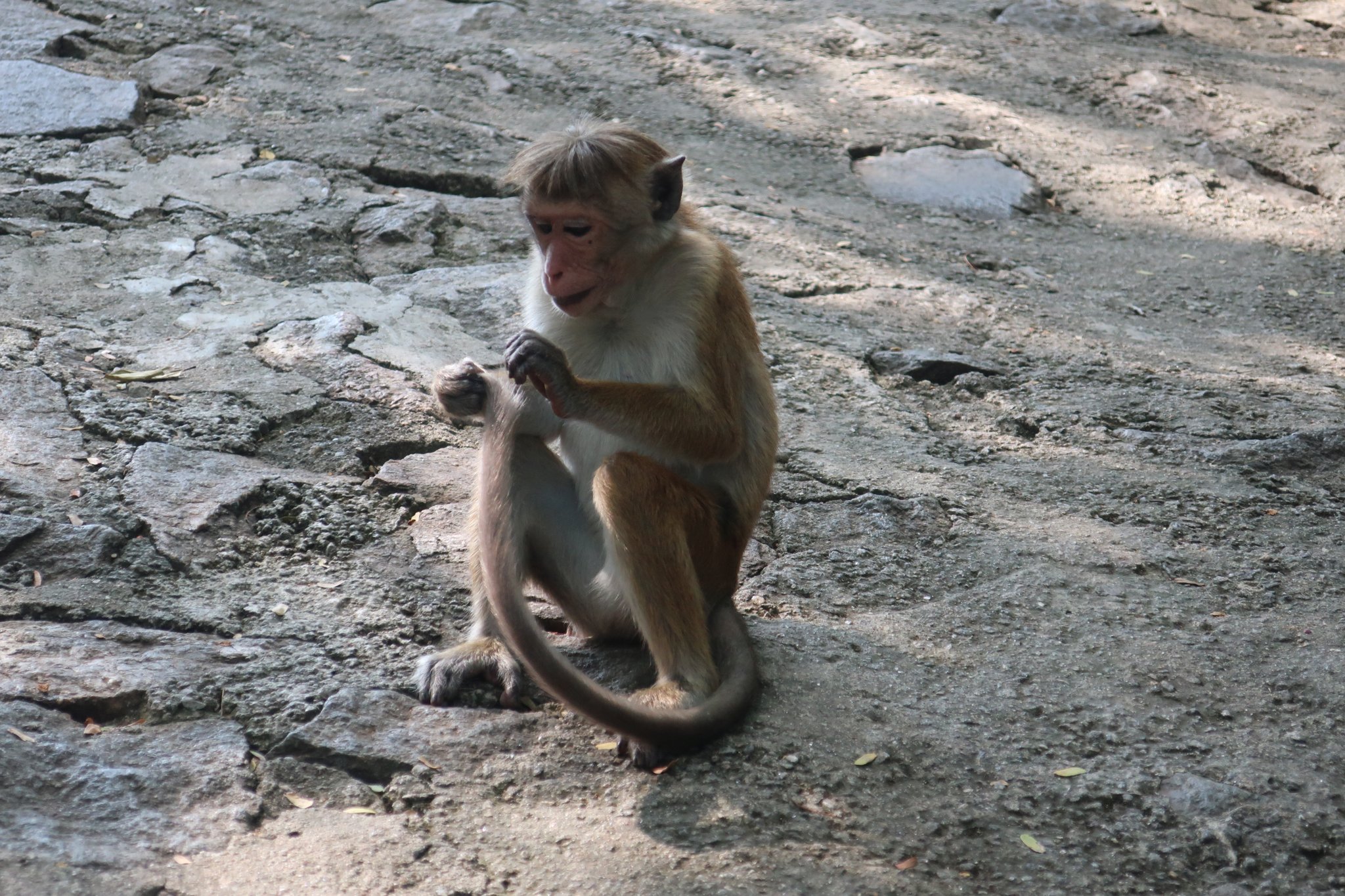
Then, the rocks. Dambulla. A series of caves carved into the mountain, filled with ancient stone Buddhas staring through the dark. They have a look that says, "I have been here forever, and you are just a guest." All the while, local monkeys watch you like they’re looking for a chance to steal your lunch.
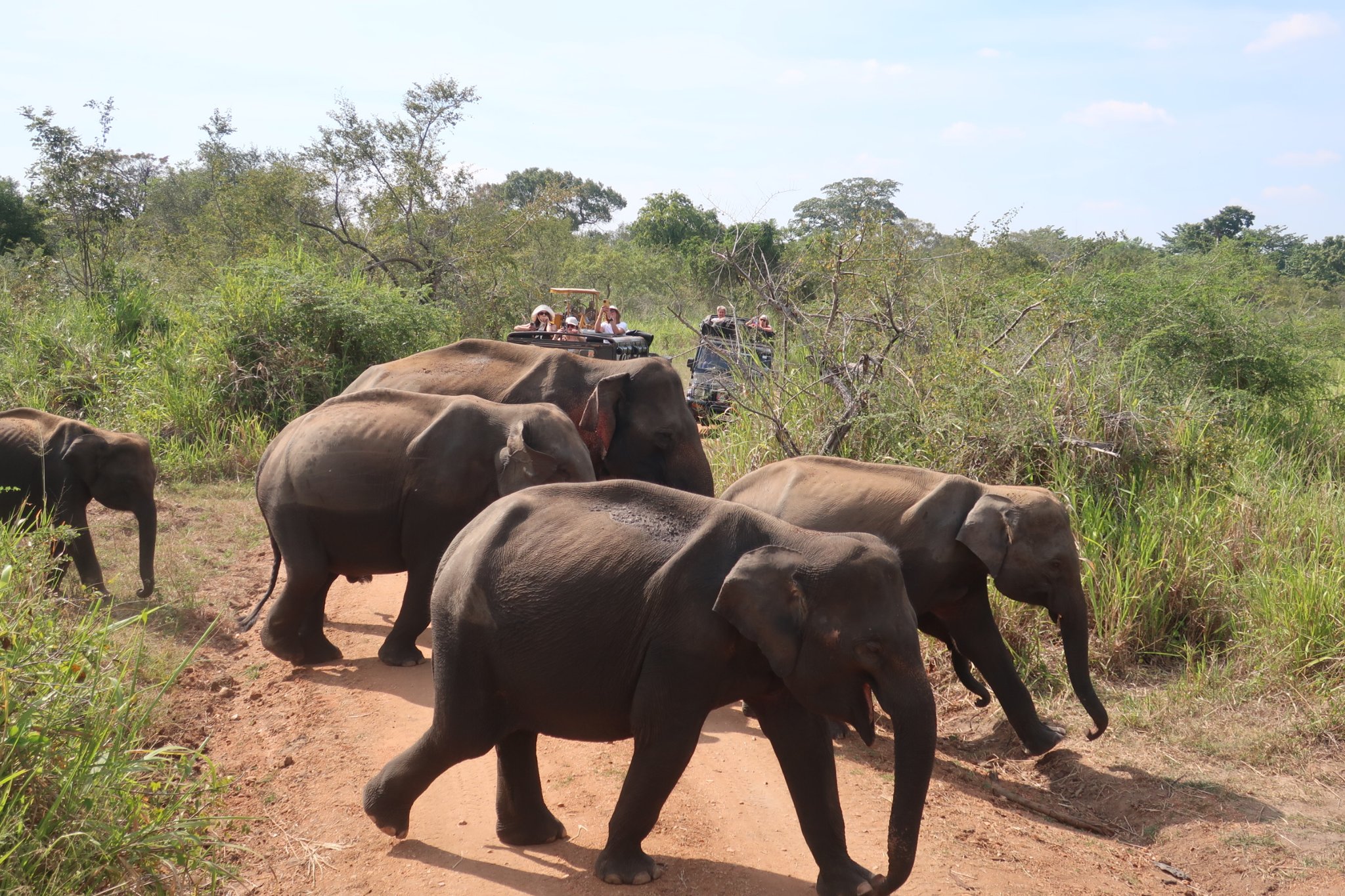
We found the true soul of the trip in a village where we sat on the ground and ate with our hands. Rice, dhal, and the heat of the chili—this is the real experience. No fancy tables, no ceremony. Just the taste of the food and the company of the people. We finished the day watching wild elephants move through the trees at sunset—huge, silent shadows moving through the high grass.
The Mountain Test
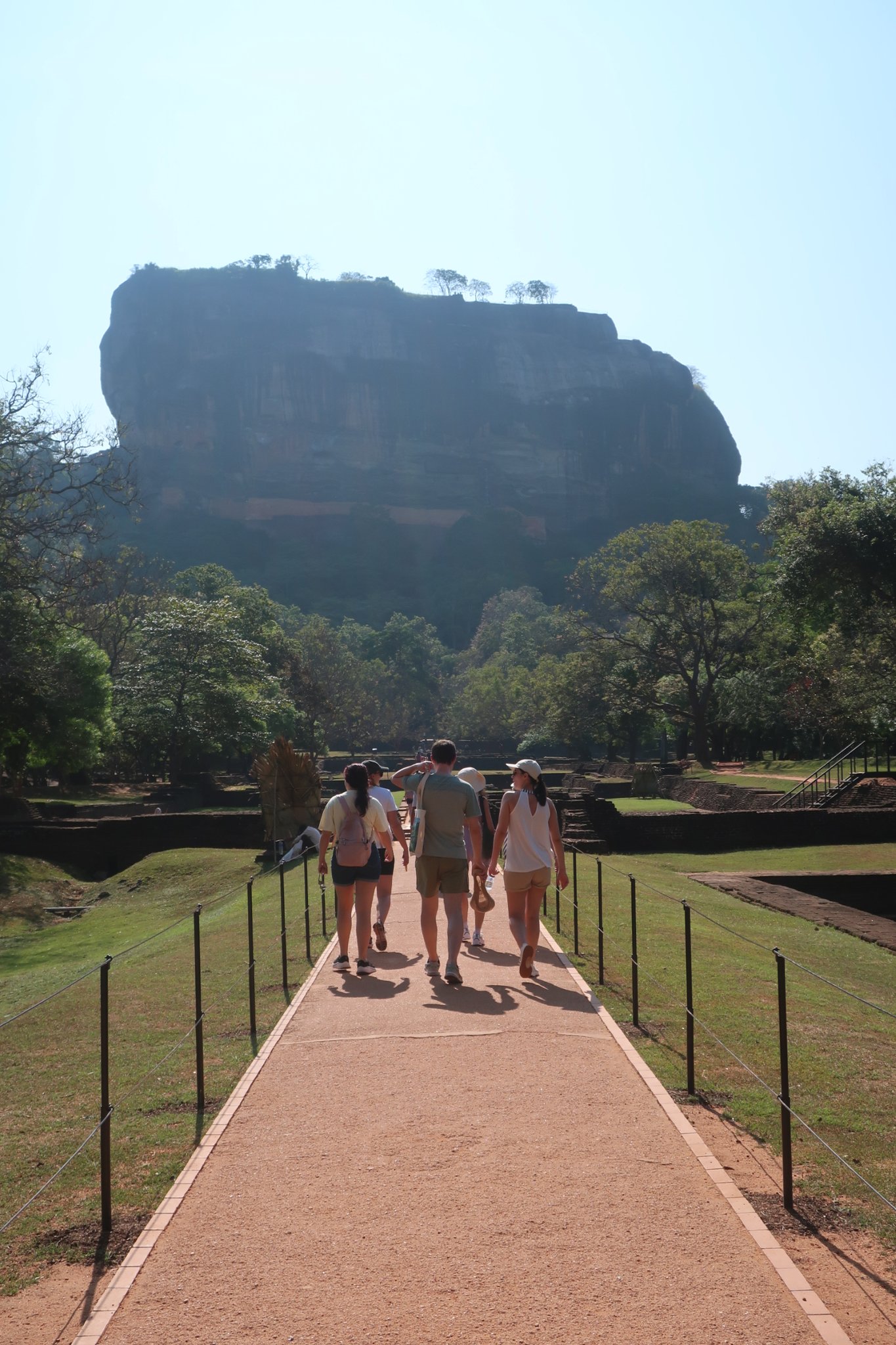
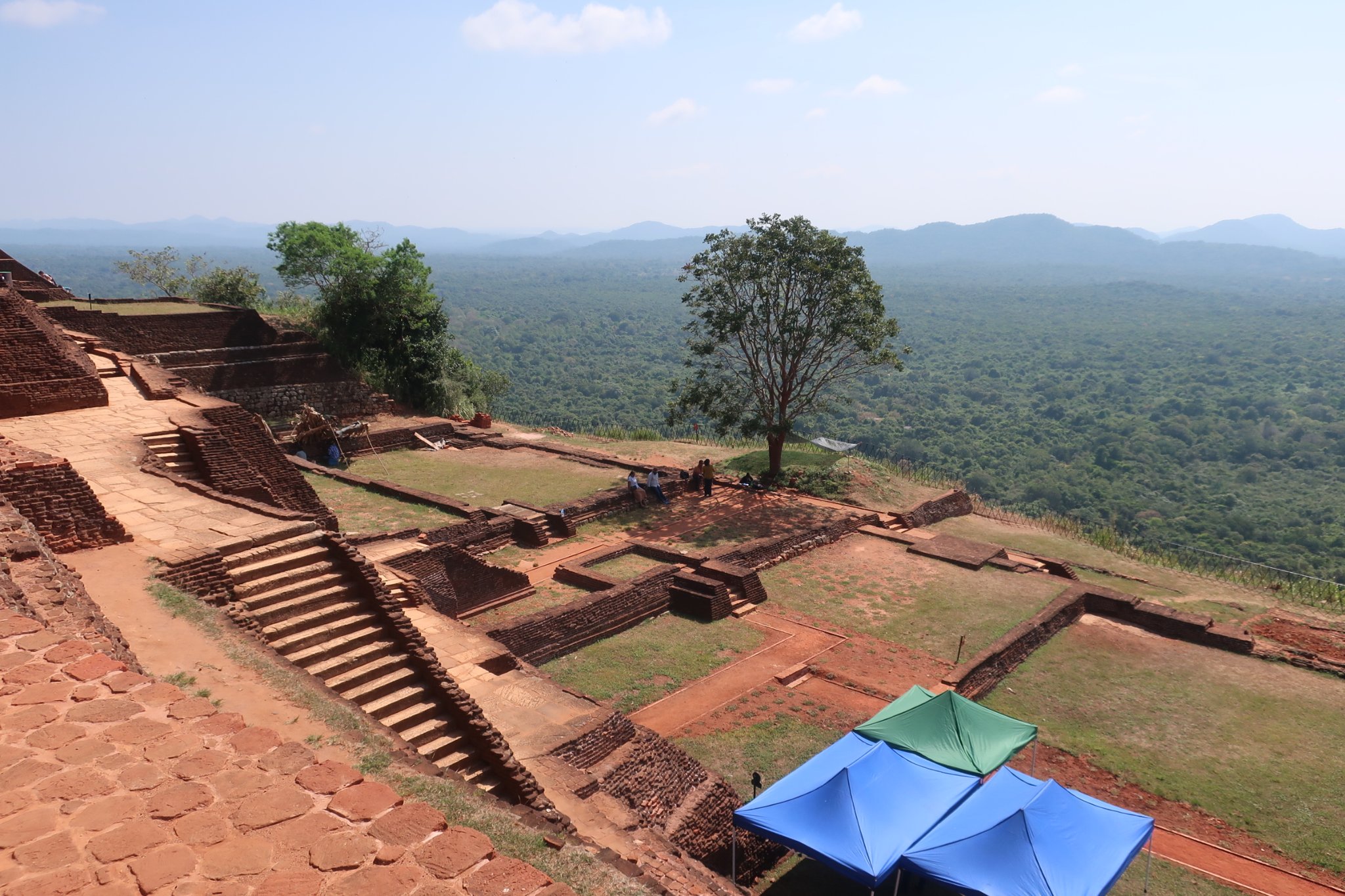
Sigiriya is a beautiful, difficult masterpiece. A vertical challenge. You climb those narrow, old stairs in the hot sun until your lungs burn and your shirt is soaked. It is a rugged, humid mountain that feels like a hidden world. When you finally reach the top, the view doesn’t just look good—it shocks you. It is a 360-degree reminder of how big the world is.
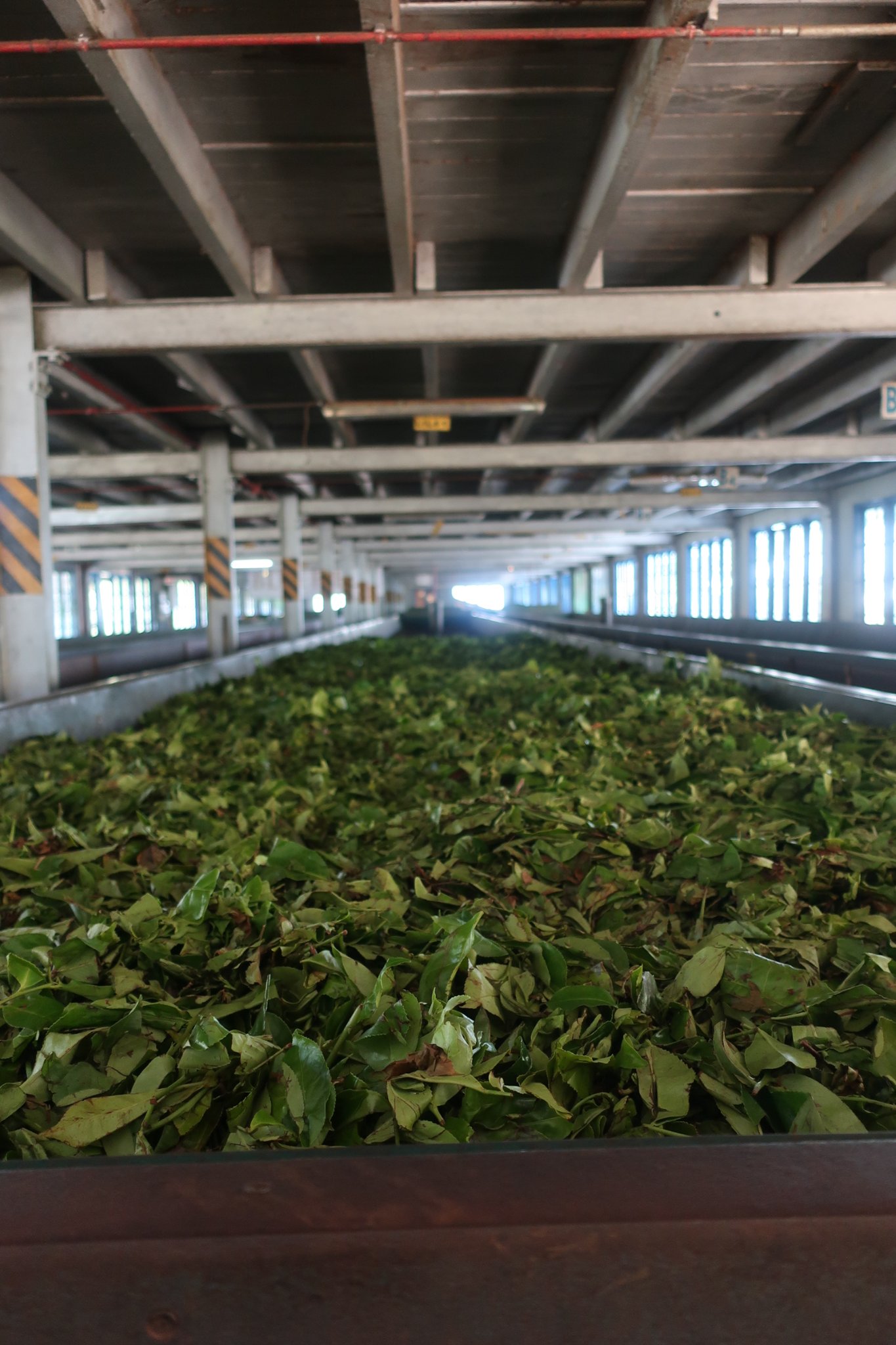
We traveled higher, 2,000 meters up into the clouds. The air turned sharp and cold, smelling of wet earth and tea. The plantations are endless, green waves of tea leaves that cover the mountains. We visited a tea factory that felt like an old machine from the past—huge wooden rooms still smelling like the colonial era. A ghost of industry floating in the mist.
The Coast and The Reward
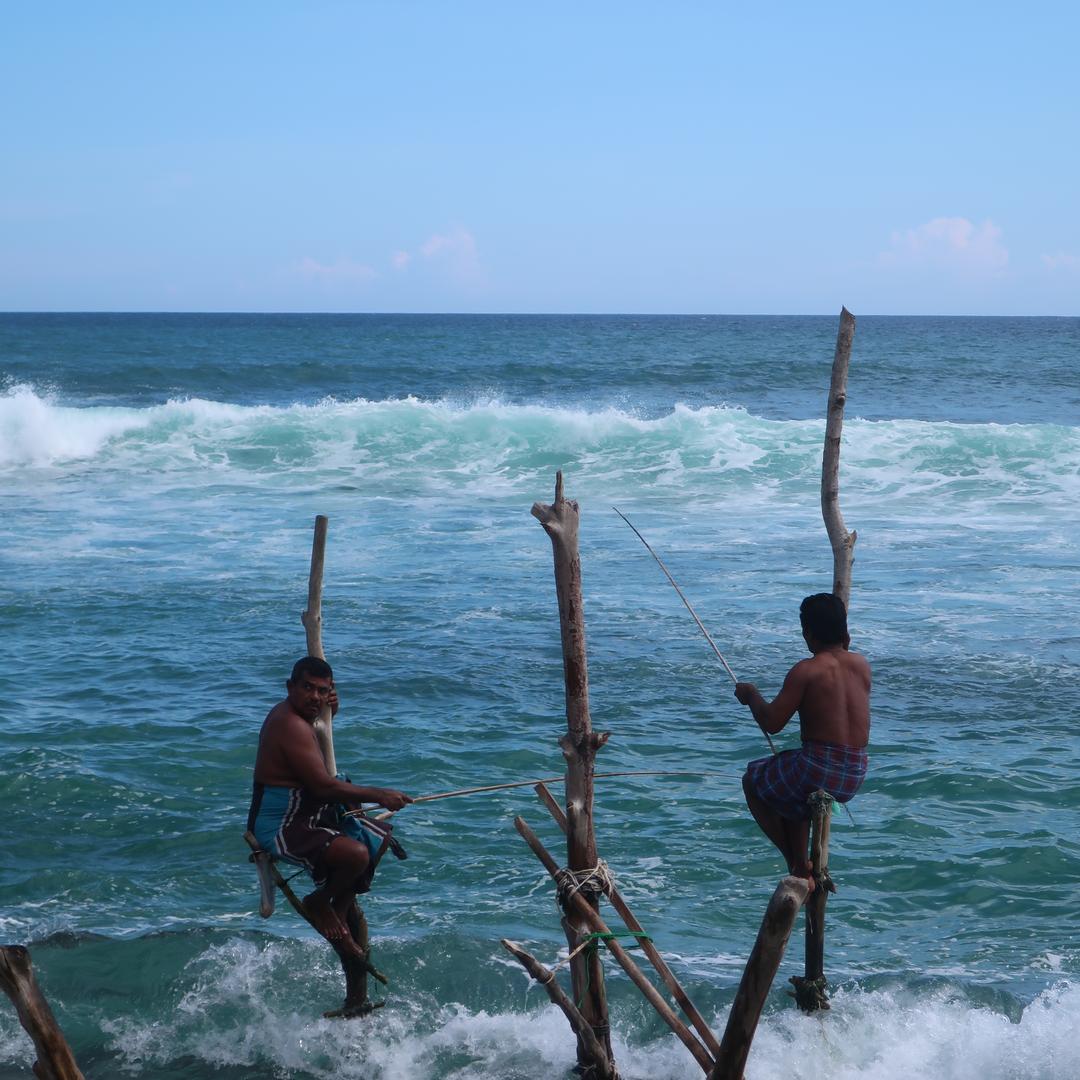
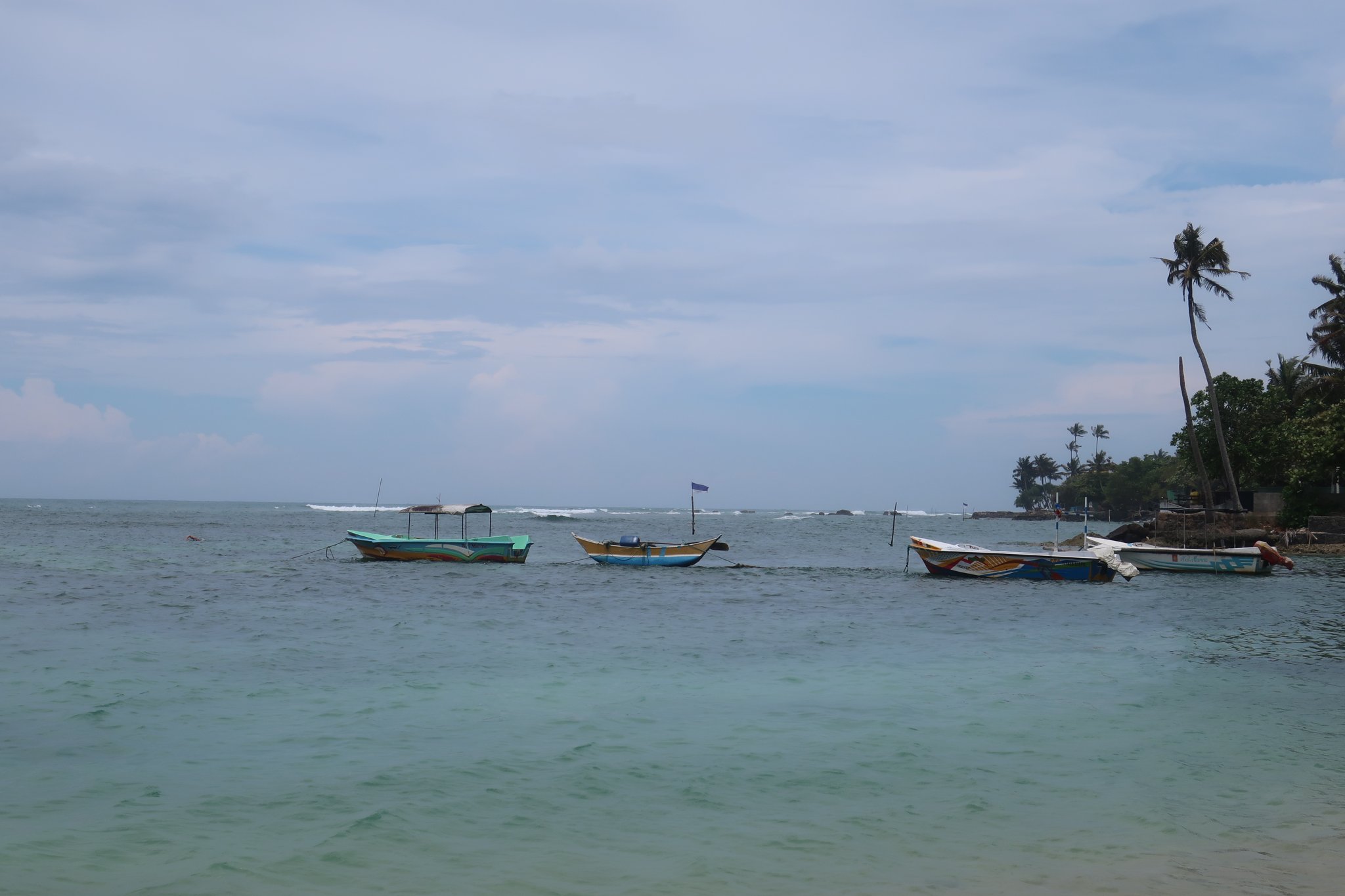
We traveled down the coast to Galle, where the massive old fort stands strong against the crashing, blue waves of the Indian Ocean. We watched the stilt fishermen—men balancing on wooden poles like birds in the water—before making the final journey back to the capital.
Then, the change. A total shift in energy. We went from the beautiful exhaustion of the road to the Maldives—a silence so deep it feels strange after the noise of the city.
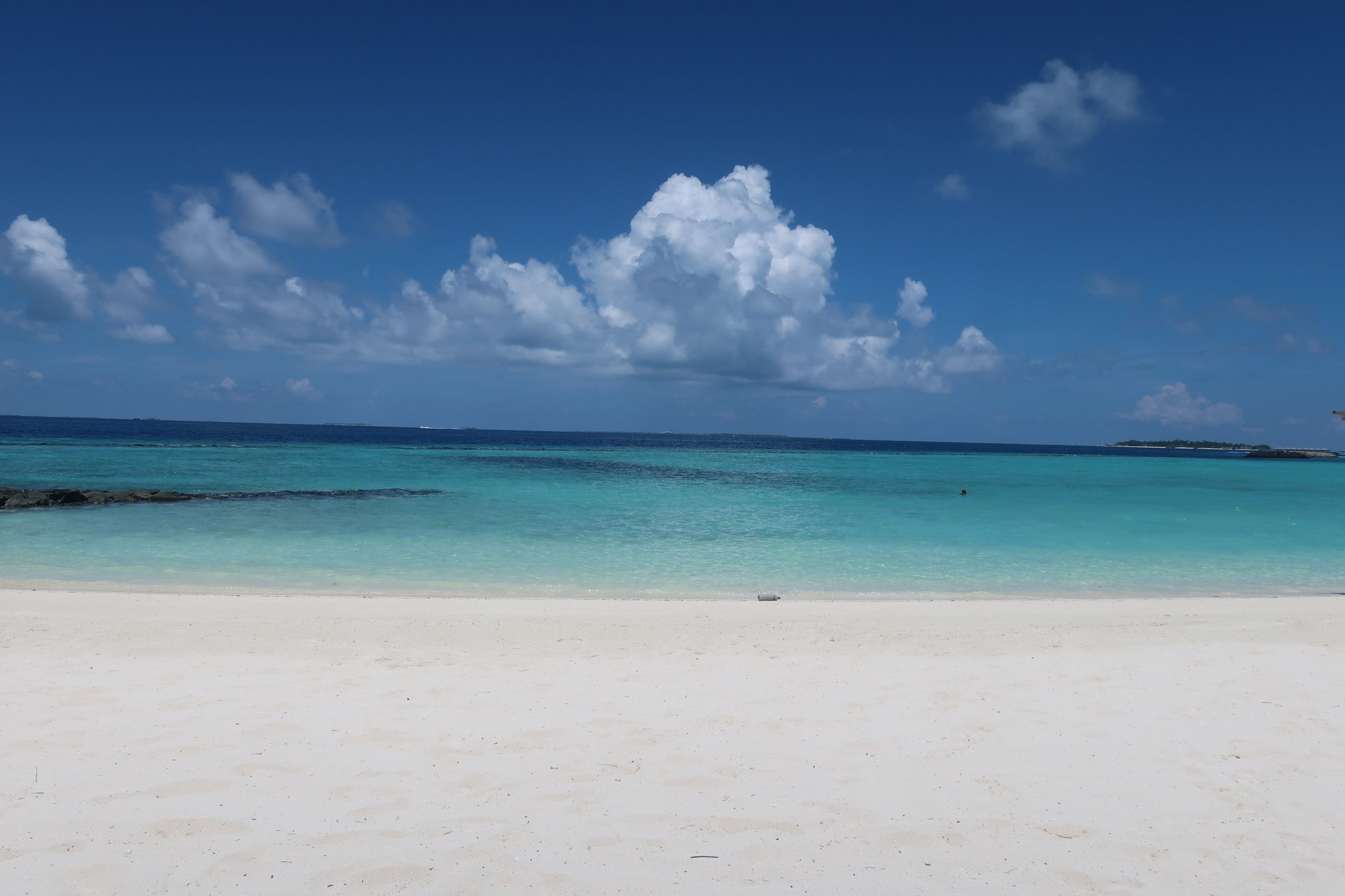
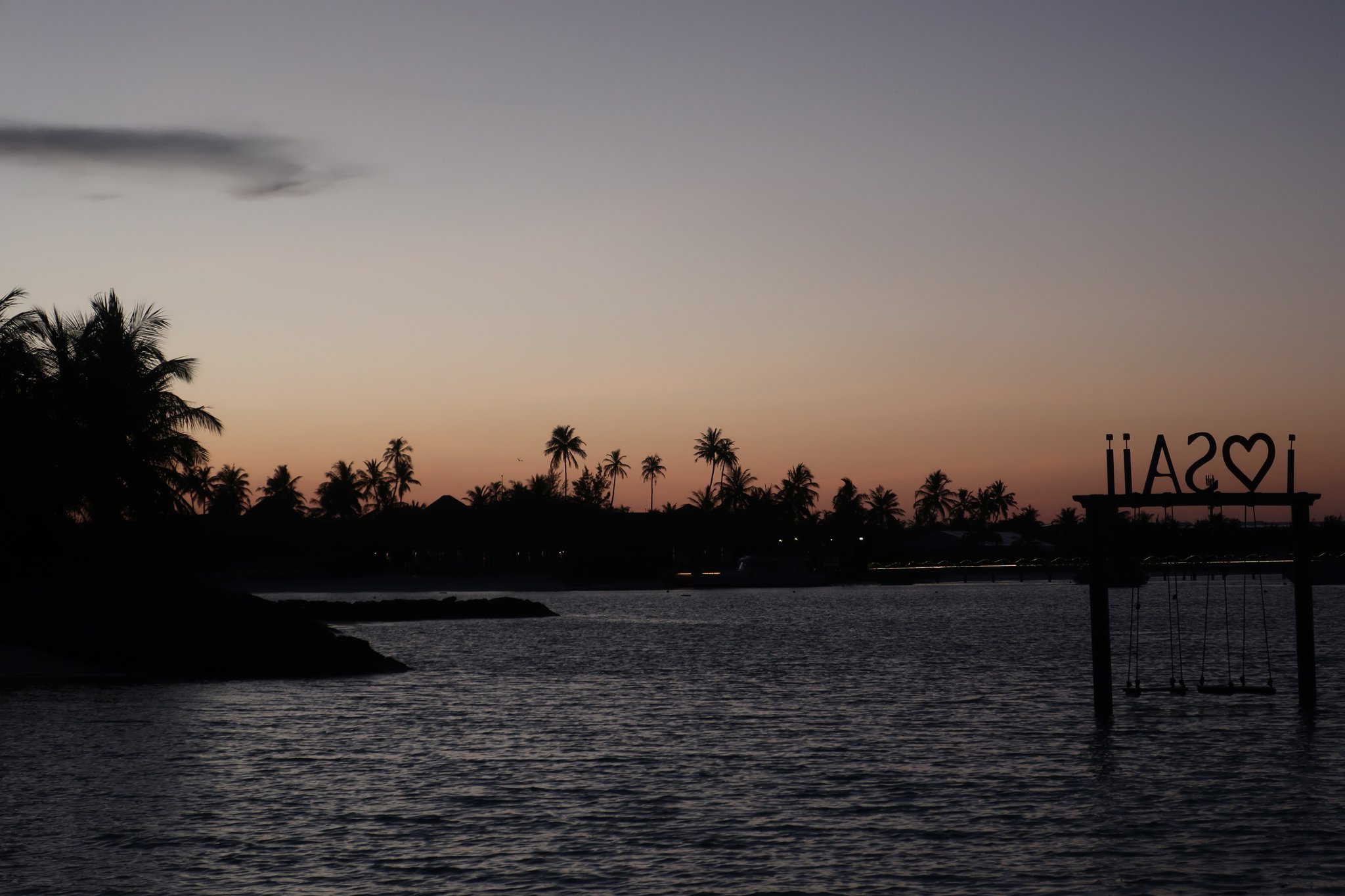
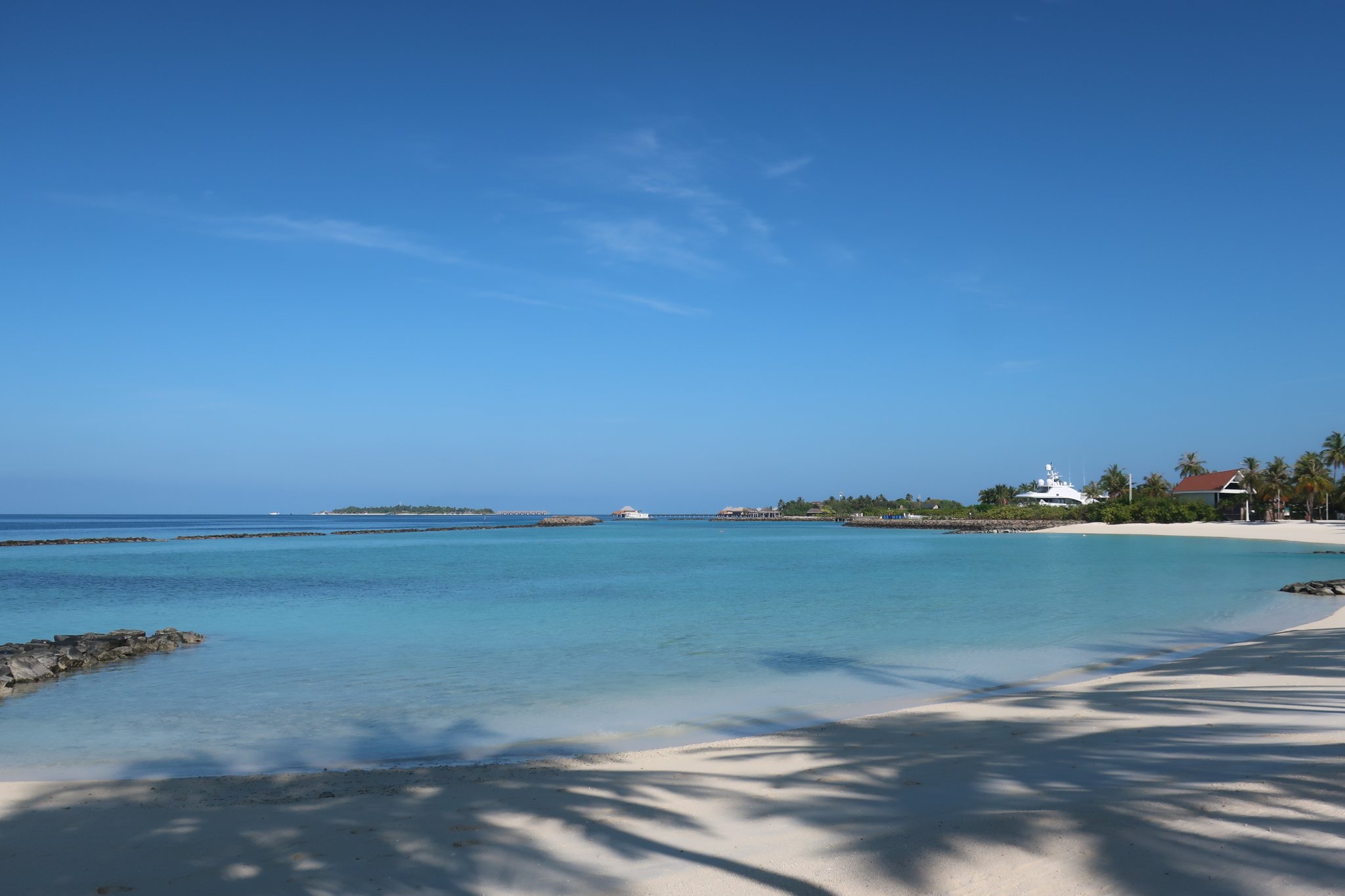
The Maldives is the ultimate reward. A three-day dream of total peace. No dust. No honking. No heavy history. Just the sun, the white sand, and water so clear it doesn’t look real. The routine became very simple: Wake up. Swim. Eat. Stare at the blue. Repeat until you feel like yourself again.
You spend a week traveling through the heart of the island, and then the ocean gives you peace. It’s a perfect trade.
 Indonesia
 Finland
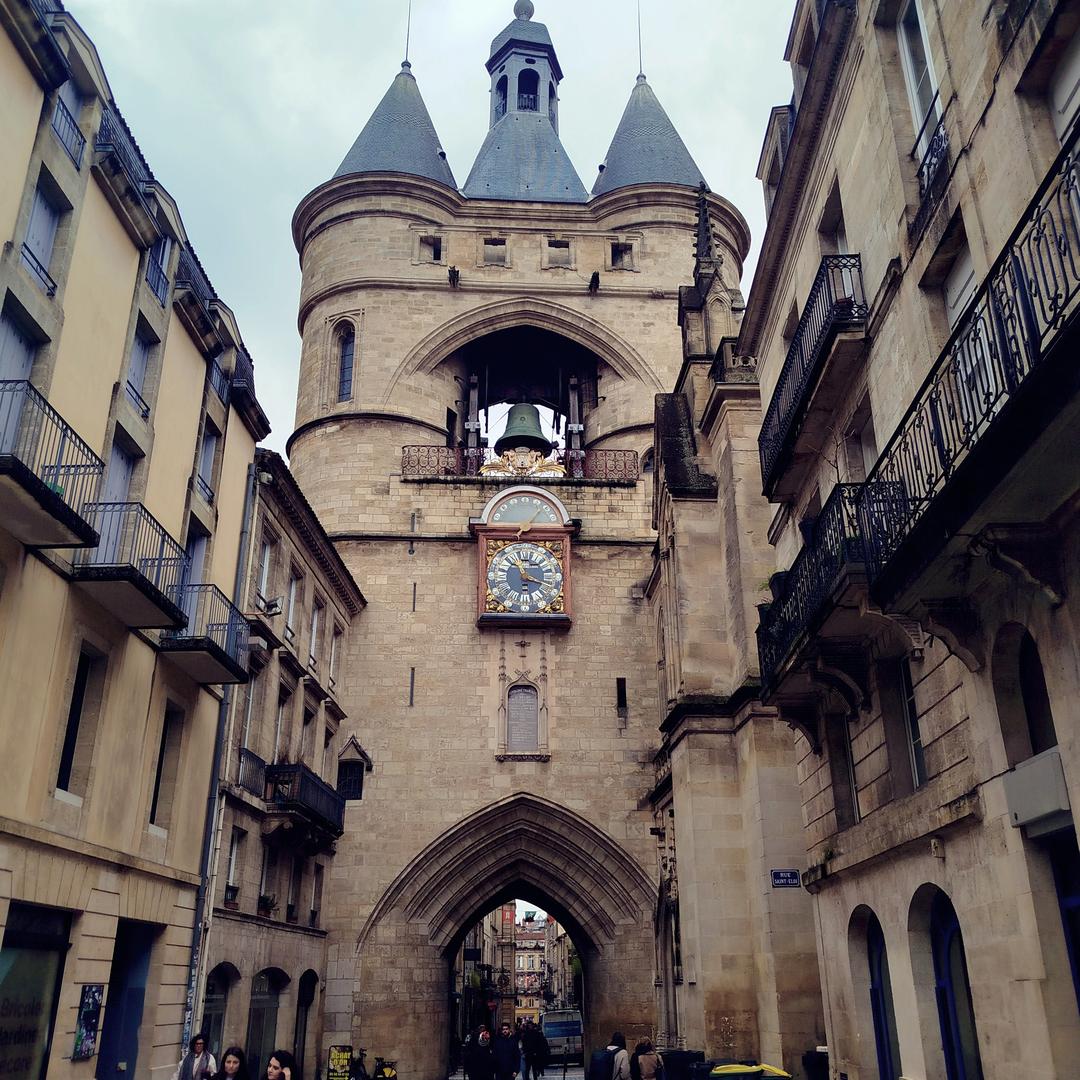 Bordeaux