The Legacy Code of Tomorrow

The increase of software development velocity brought by AI-generated code creates a new pressing concern. While AI-generated code accelerates initial implementation it simultaneously introduces a unique form of technical debt characterized by opaque logic and suboptimal architectural patterns. Developers often accept AI-suggested snippets without rigorous peer review leading to a codebase that functions in the short term but lacks the internal consistency required for long-term maintenance. This challenge requires a fundamental mind-shift of how engineering teams manage code quality when the primary author of the software is an AI agent.
Tech leads must acknowledge that AI models are trained on historical data, which frequently includes outdated libraries, insecure patterns and deprecated syntax. By integrating these suggestions into production environments, teams perpetuate vulnerabilities under the guise of modern innovation. The accumulation of this type of tech debt, creates a fragile ecosystem where subsequent modifications become increasingly difficult to implement. Such environments demand a transition from traditional manual review processes toward automated governance models that verify code integrity and security compliance before merging into the main branch.
Addressing this issue requires a balance between development speed and long-term sustainability. AI-generated code should be treated as an untrusted contribution subjecting it to the same scrutiny applied to external open-source dependencies. Establishing comprehensive testing suites is no longer an optional component but a primary line of defense against opaque logical errors. By formalizing the verification process, engineering teams ensure that the rapid delivery of features does not compromise the structural stability of the product over the coming years.
Effective management of this technological trajectory depends on implementing documentation standards for AI-generated code. When AI writes complex code without human context, it creates a black box. Teams end up wasting time trying to reverse-engineer how it actually works. Strategic oversight requires documenting intent, ensuring today's efficiency doesn't become tomorrow's engineering debt.
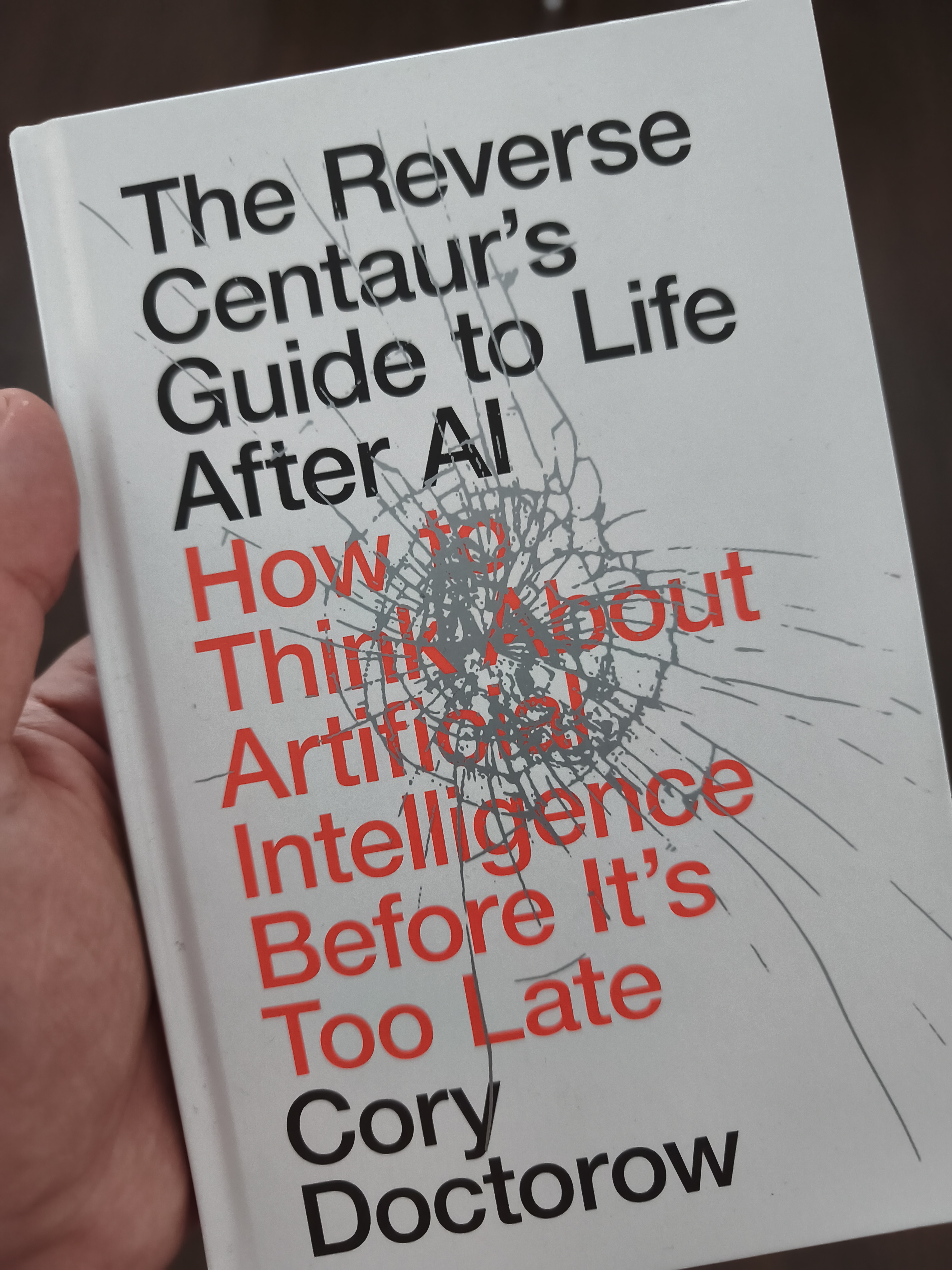 The Reverse Centaur's Guide to Life After AI
 When You Don’t Own Your Code
 From Know-it-All to Learn-it-All