AI Code Agents: Divide and Conquer

Code agents such as Cursor or Claude Code tend to produce more reliable results when working on small, well-defined tasks rather than large, open-ended projects. A request like “build a function that uploads an image to S3” is specific, measurable, and can be executed within the model's reasoning window. In contrast, a request such as “build an Instagram clone” is too broad, underspecified, and quickly exceeds the agent's ability to maintain coherence.
The difference lies in scope and ambiguity. Large requests bundle together dozens of design decisions, architectural choices, and interdependent features. They create opportunities for error to propagate and for the model to contradict earlier assumptions. Smaller tasks reduce complexity, minimize dependencies, and offer a clear standard for success.
This mirrors established software development practices. Complex systems are not built in a single step but decomposed into smaller units of work, each with its own acceptance criteria. Code agents follow the same principle: they thrive on precision and iteration.
The practical takeaway is to approach code agents the way you would structure a development backlog. Break down big ideas into discrete, testable tasks. The narrower the scope, the more effective and dependable the output.
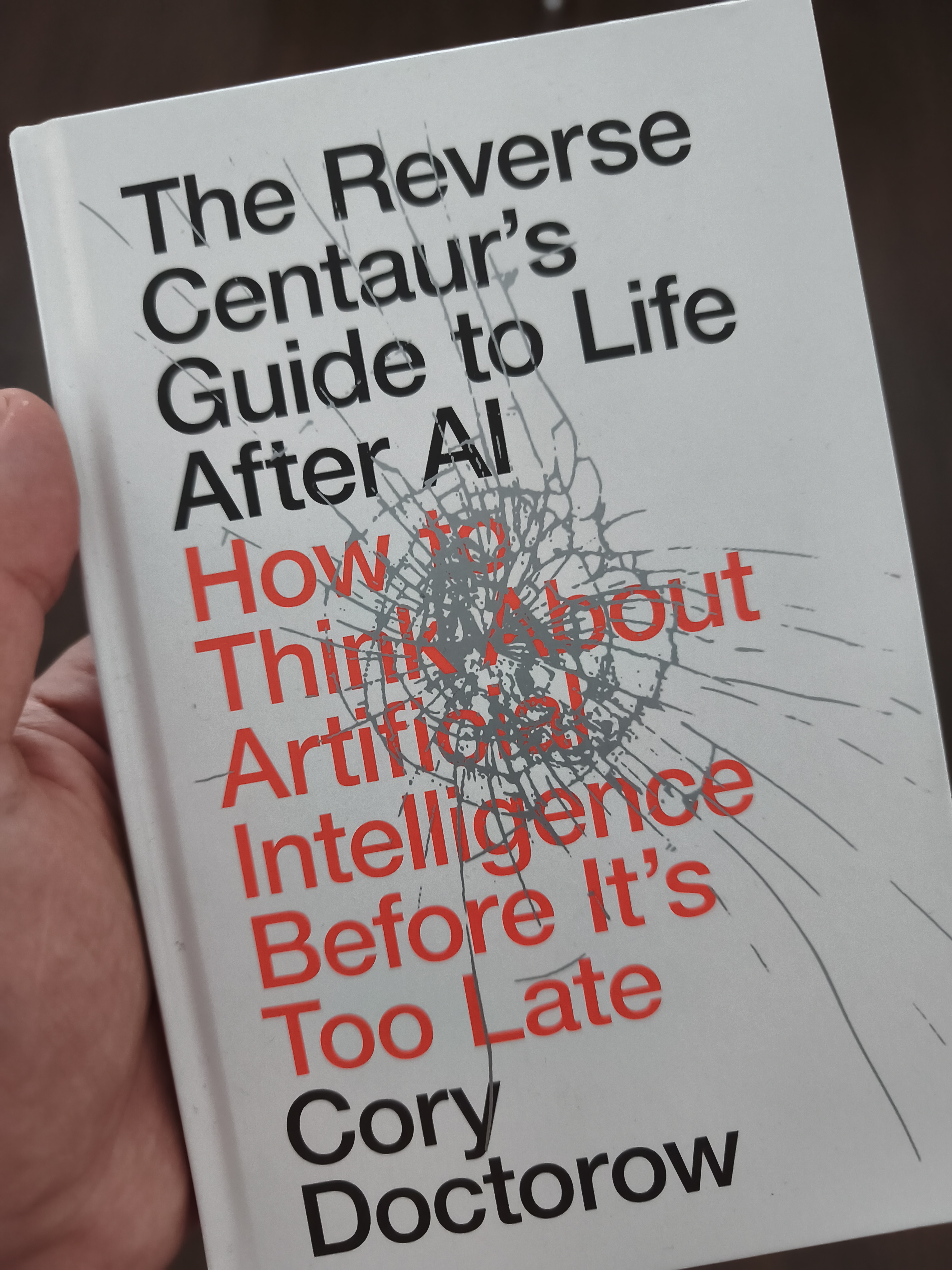 The Reverse Centaur's Guide to Life After AI
 When You Don’t Own Your Code
 From Know-it-All to Learn-it-All
 The Legacy Code of Tomorrow