Are you sure that "pattern" you see is real?

Human brains are superb pattern-recognition machines. That's why we invent, problem-solve, and recognize threats. Occasionally, however, this asset becomes a liability.
Apophenia is the predisposition to perceiving meaningful patterns in randomness. It forms the basis for typical biases including:
- Gambler's fallacy: believing a roulette wheel is “due” to change.
- Clustering illusion: misinterpreting random clusters for true trends.
- Filters and confirmation bias: only perceiving the data supporting our views.
In business and technology, this matters. Mistaking noise for signal leads to wasted resources, poor strategy, and misplaced confidence.
Poor decisions often arise when random data is mistaken for meaningful patterns, such as reading financial market noise as predictable cycles, treating spurious correlations as actionable insights, or assuming isolated events reveal systemic truths.
Pattern recognition is powerful, but only when we challenge it with discipline and skepticism.
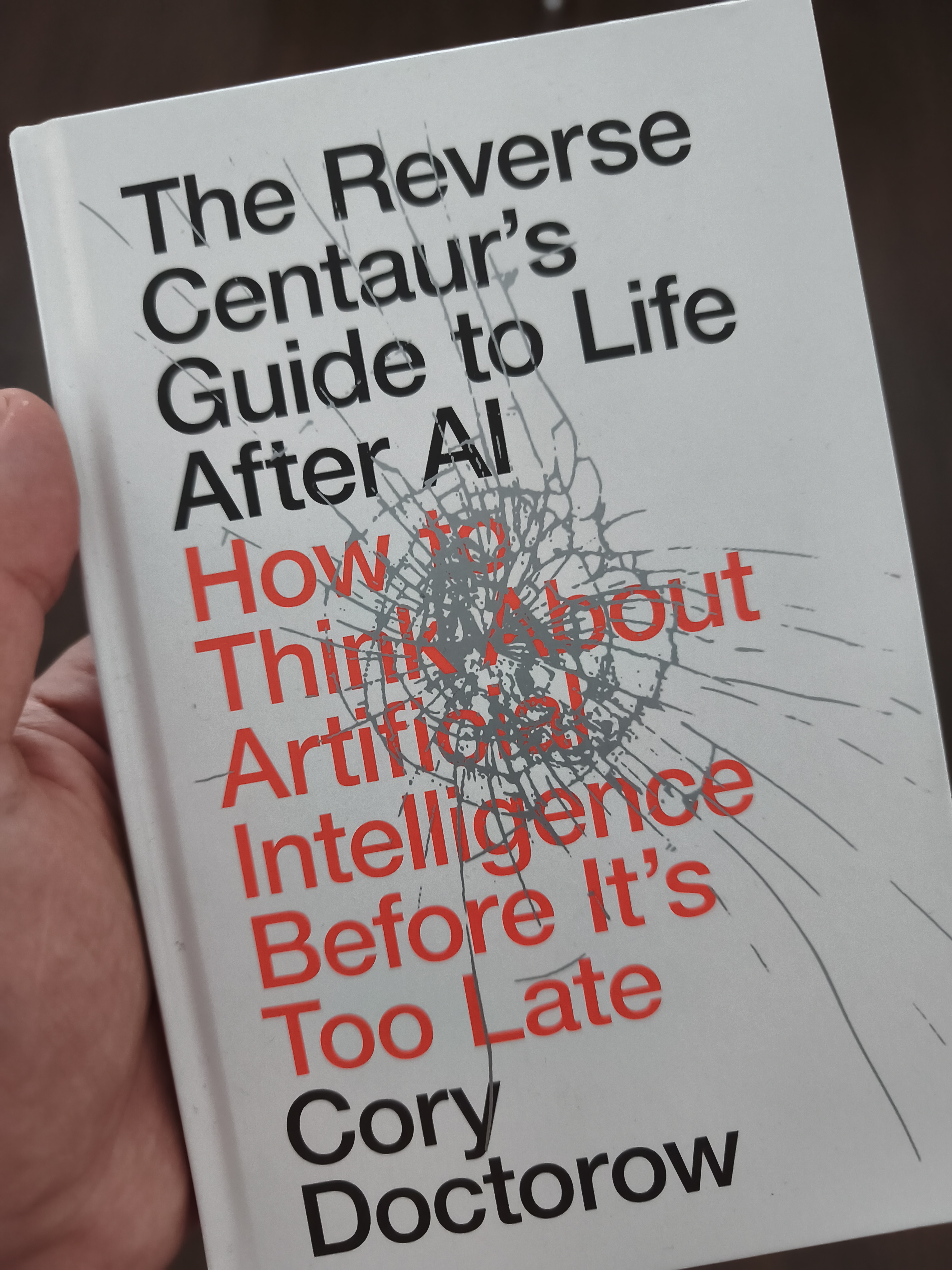 The Reverse Centaur's Guide to Life After AI
 When You Don’t Own Your Code
 From Know-it-All to Learn-it-All
 The Legacy Code of Tomorrow